Aviation history timeline
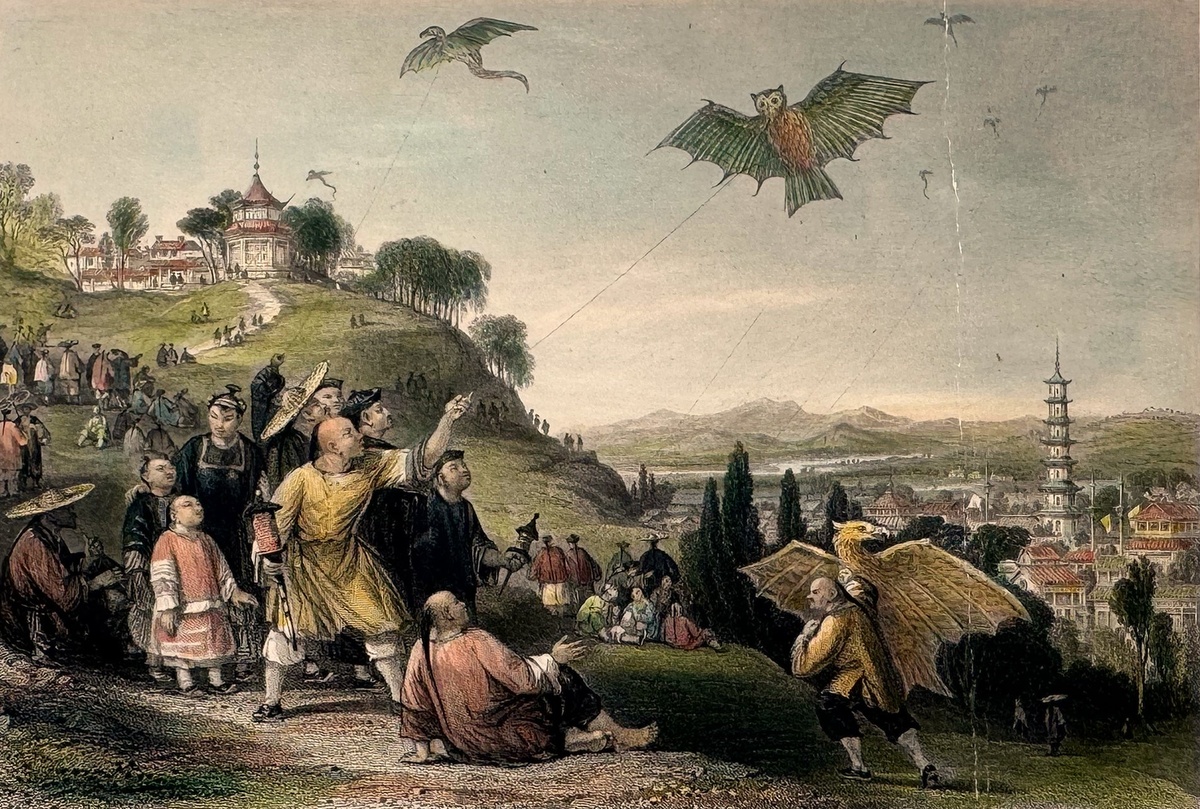
Chinese Kites
The first controllable flying objects people built. They let people feel lift, drag and stability for the first time.
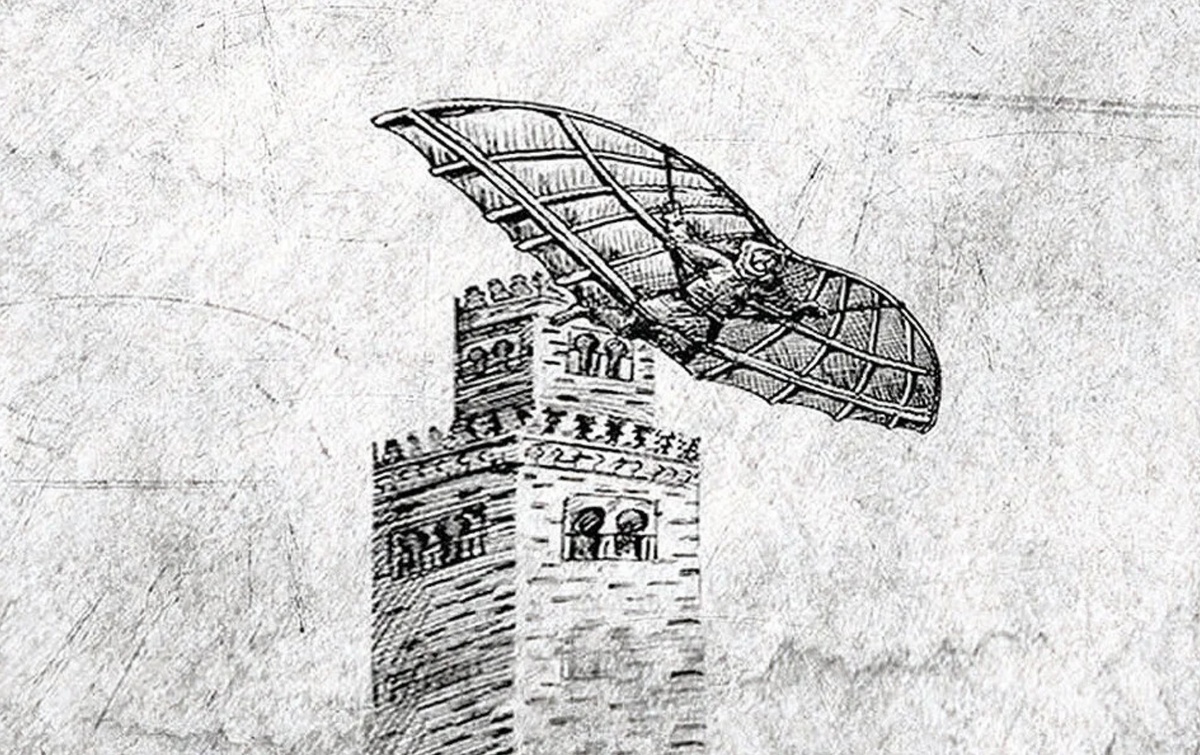
Ibn Firnas Glider
One of the first recorded attempts by a person to glide in the air in the Islamic and Western world.
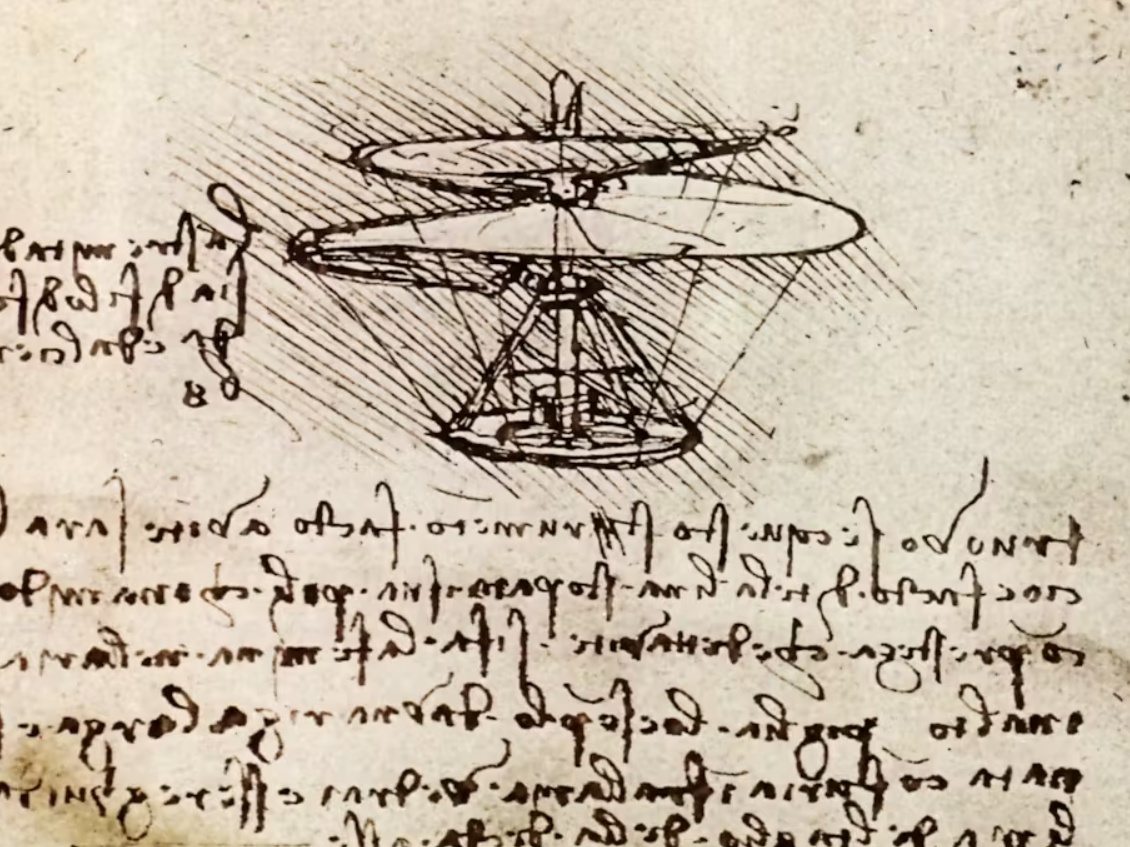
Leonardo’s Designs
Leonardo treated flight as something you can study. His wing and parachute sketches helped later engineers think more clearly.
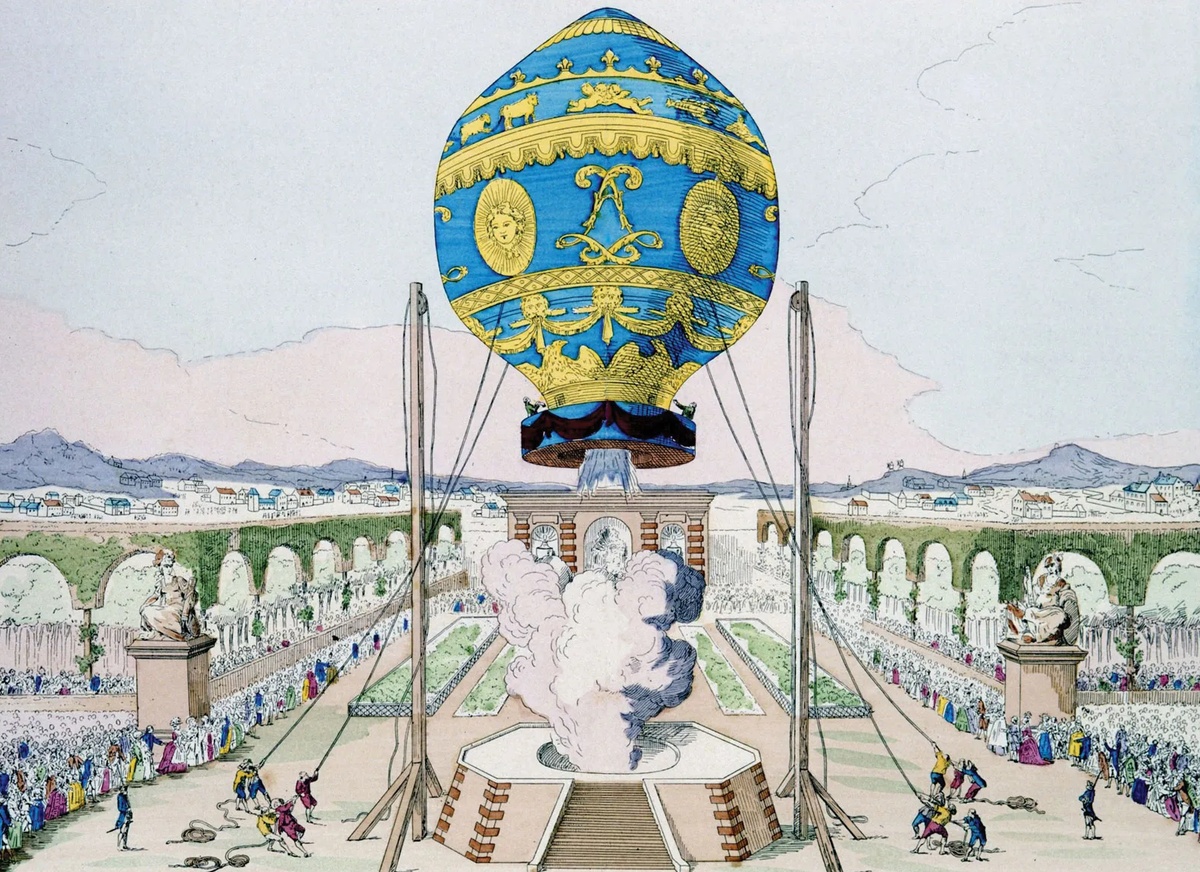
Montgolfier Balloon
First time people went up in the air in a free balloon. This is where lighter-than-air flying really starts.
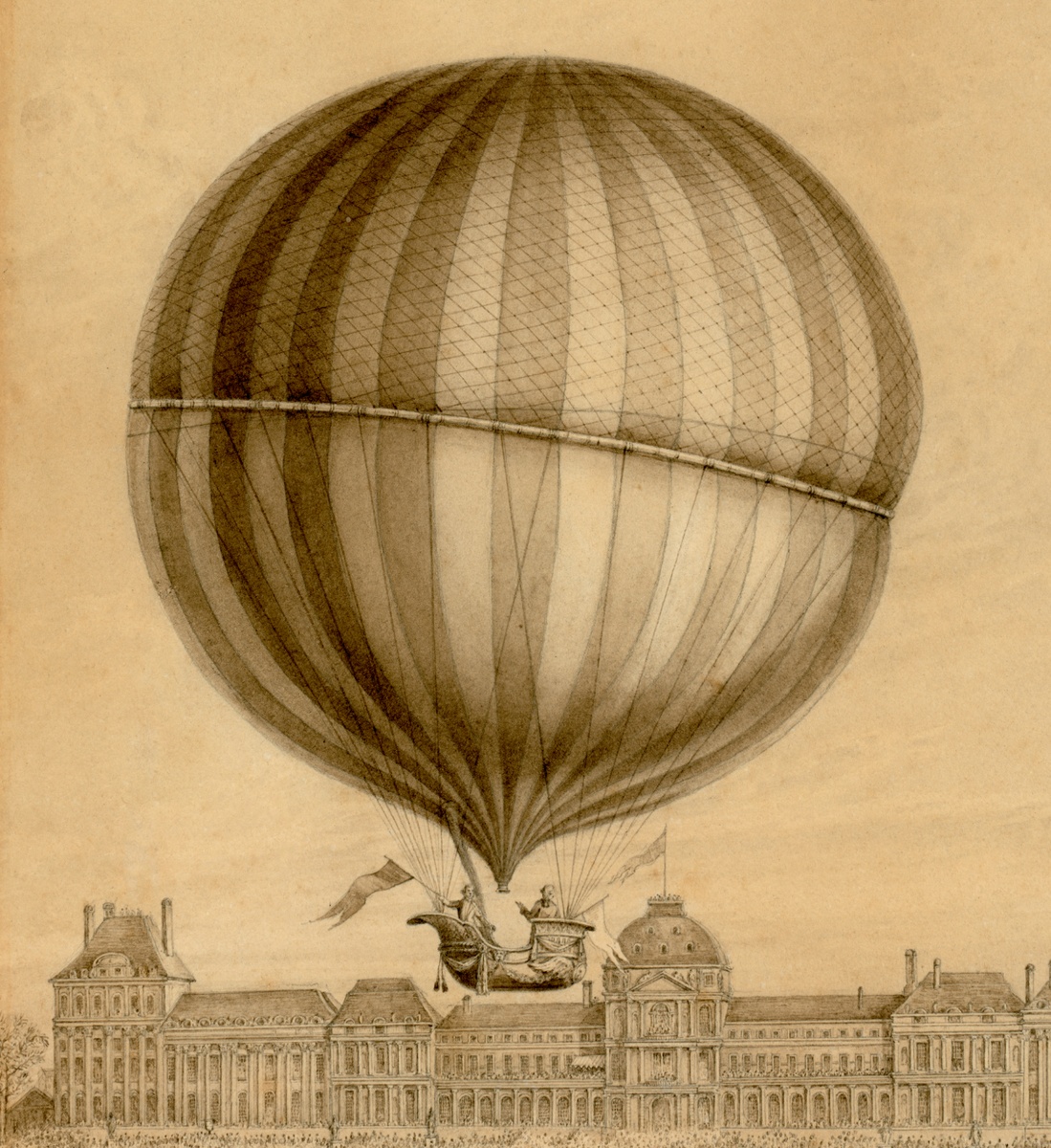
Hydrogen Balloons
Hydrogen balloons flew higher and farther and even crossed the English Channel for the first time.
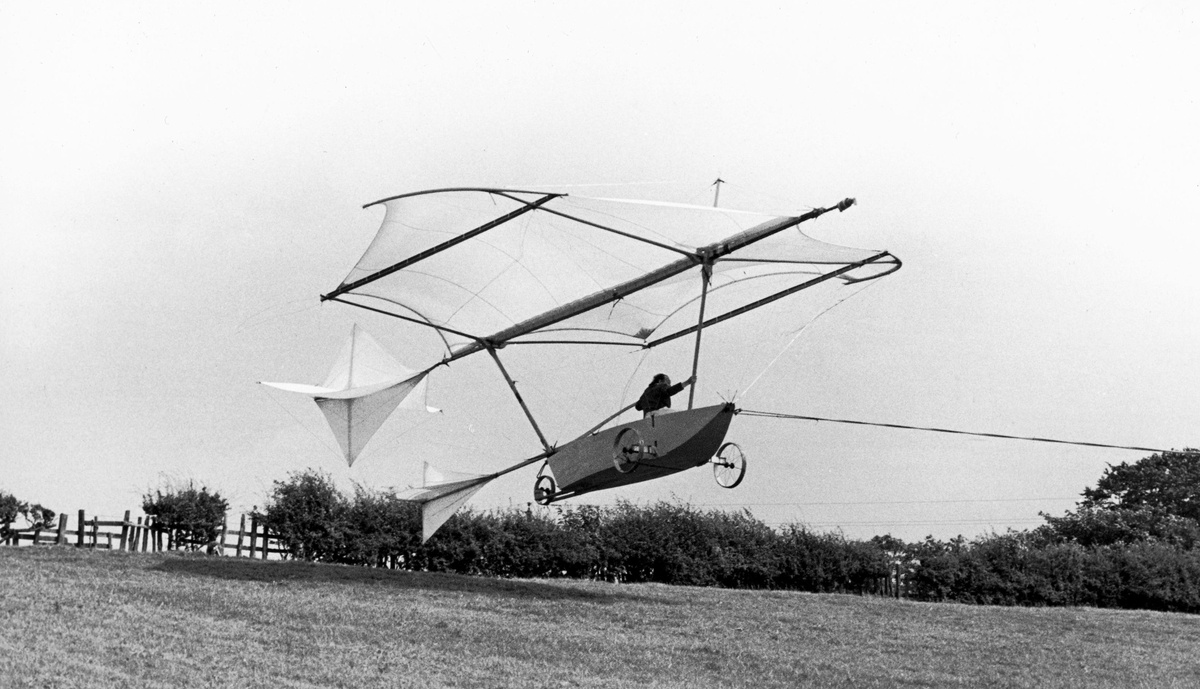
Cayley’s Modern Airplane Idea
Cayley split lift, thrust and control into separate jobs. That idea is the start of the modern airplane layout.
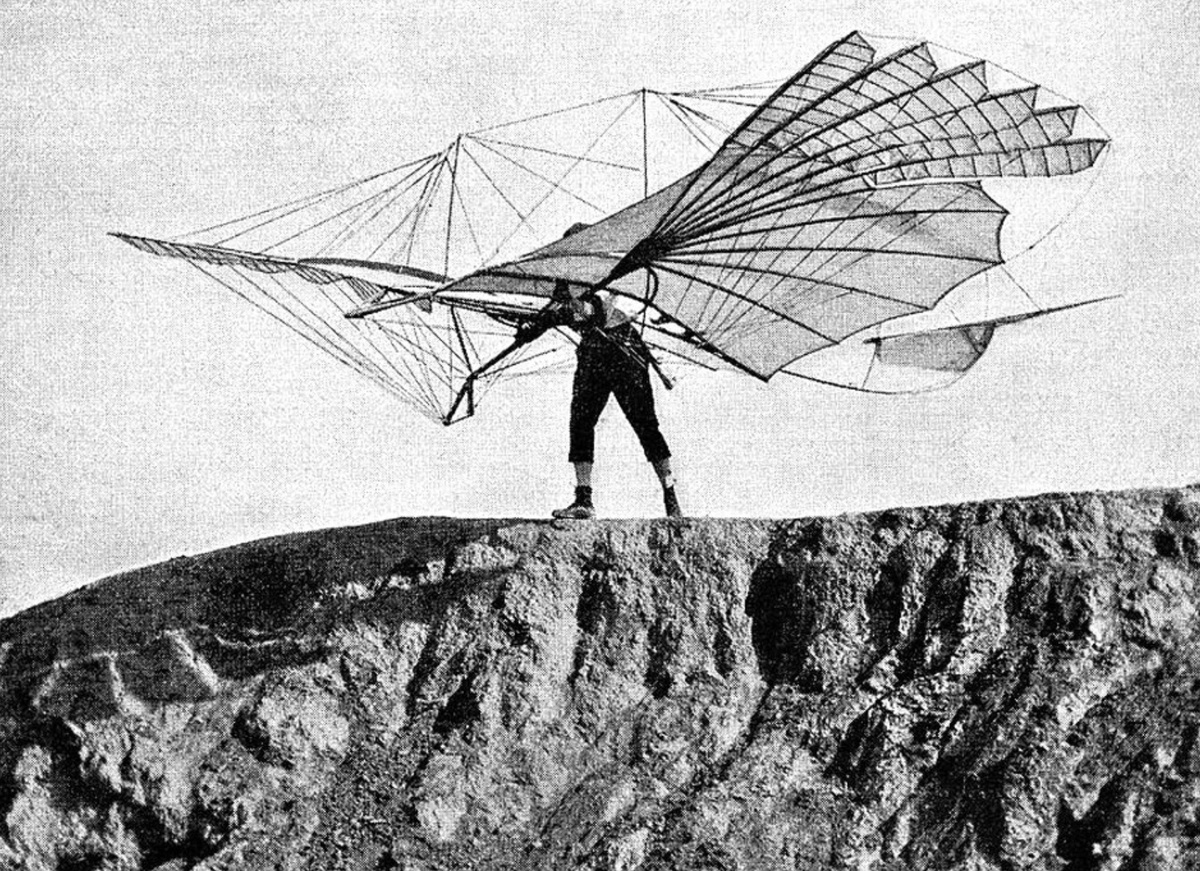
Lilienthal Gliders
Lilienthal did many repeatable glides and wrote down what happened. His flights gave real data on wings and stability.
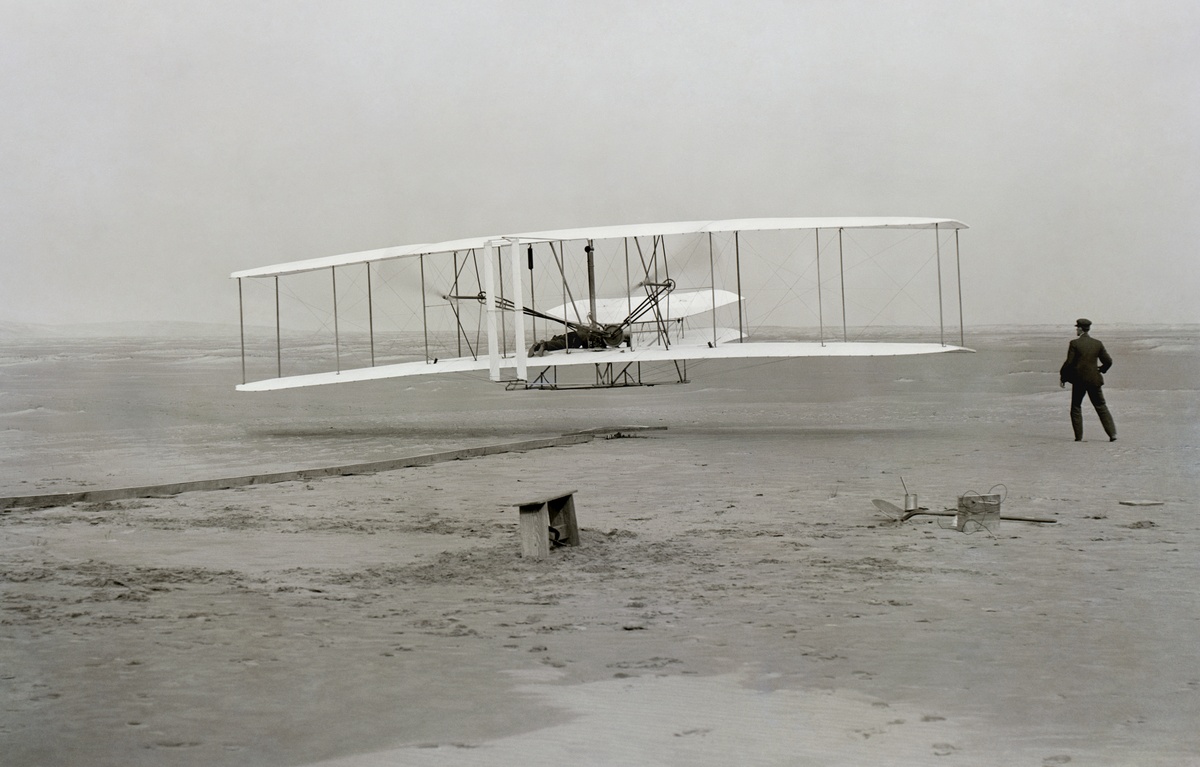
Wright Flyer
First sustained, controlled and powered flight in a heavier-than-air machine. The Wrights also nailed three-axis control.
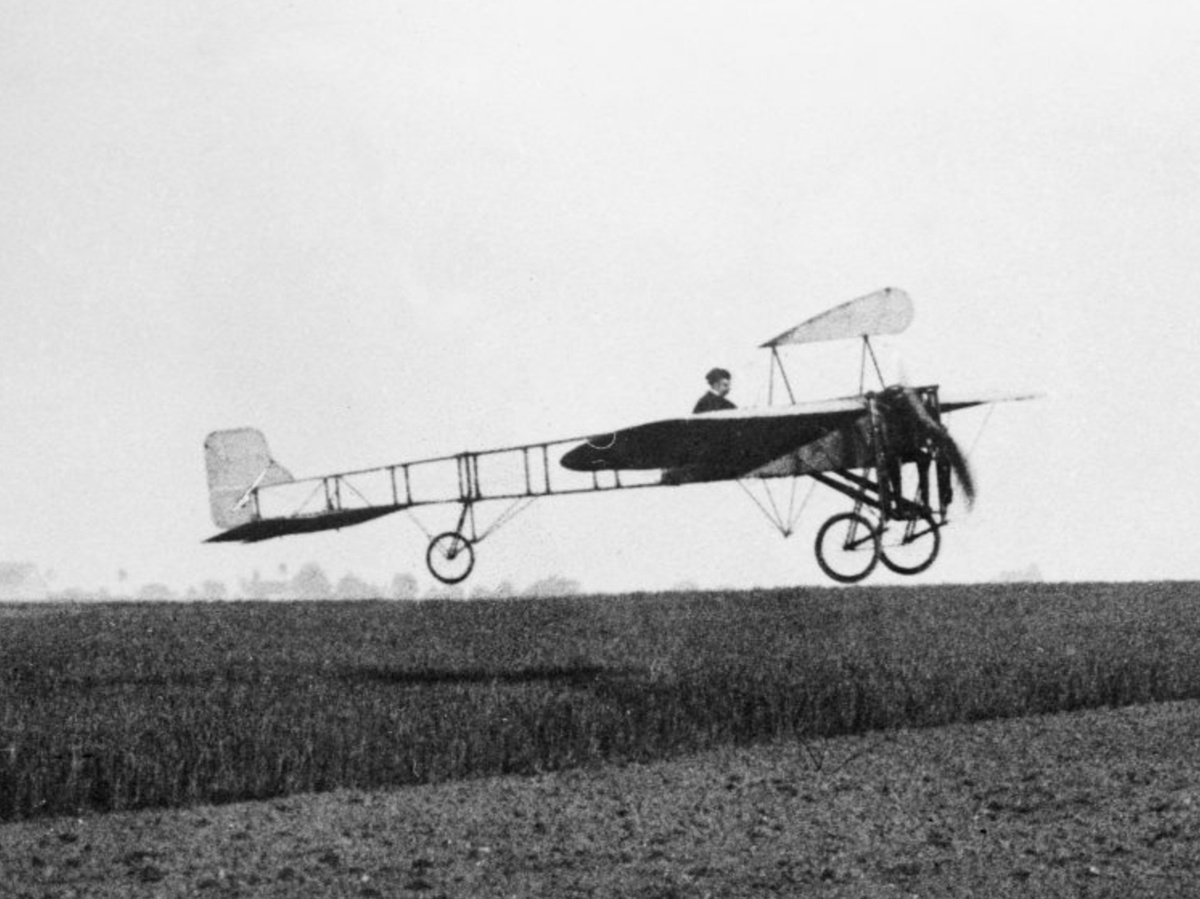
Blériot Crosses the Channel
Blériot’s flight showed you can simply go from one city to another by airplane. It made flight feel practical.
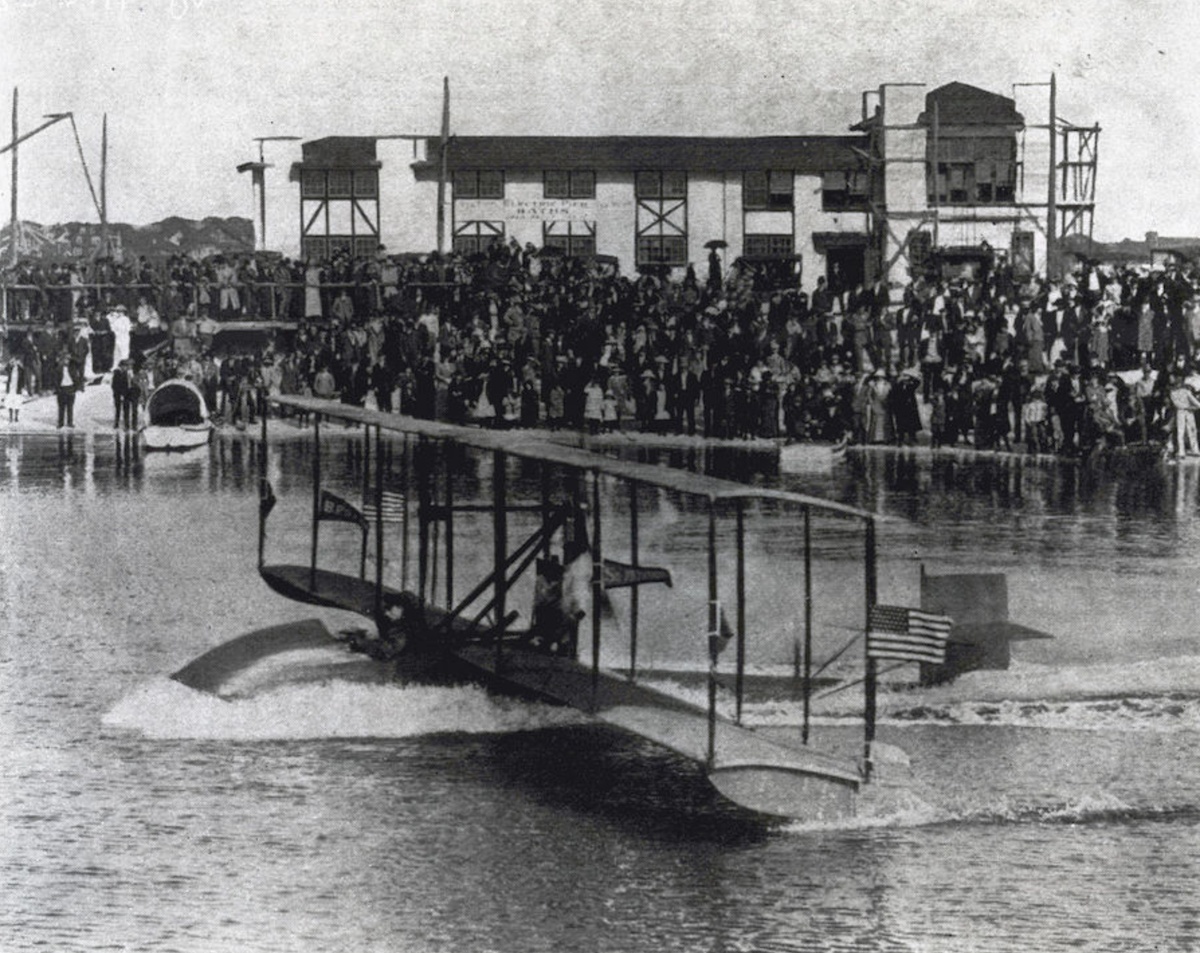
First Scheduled Airline
The St. Petersburg to Tampa line was the first scheduled airline. It marks the start of regular air transport.
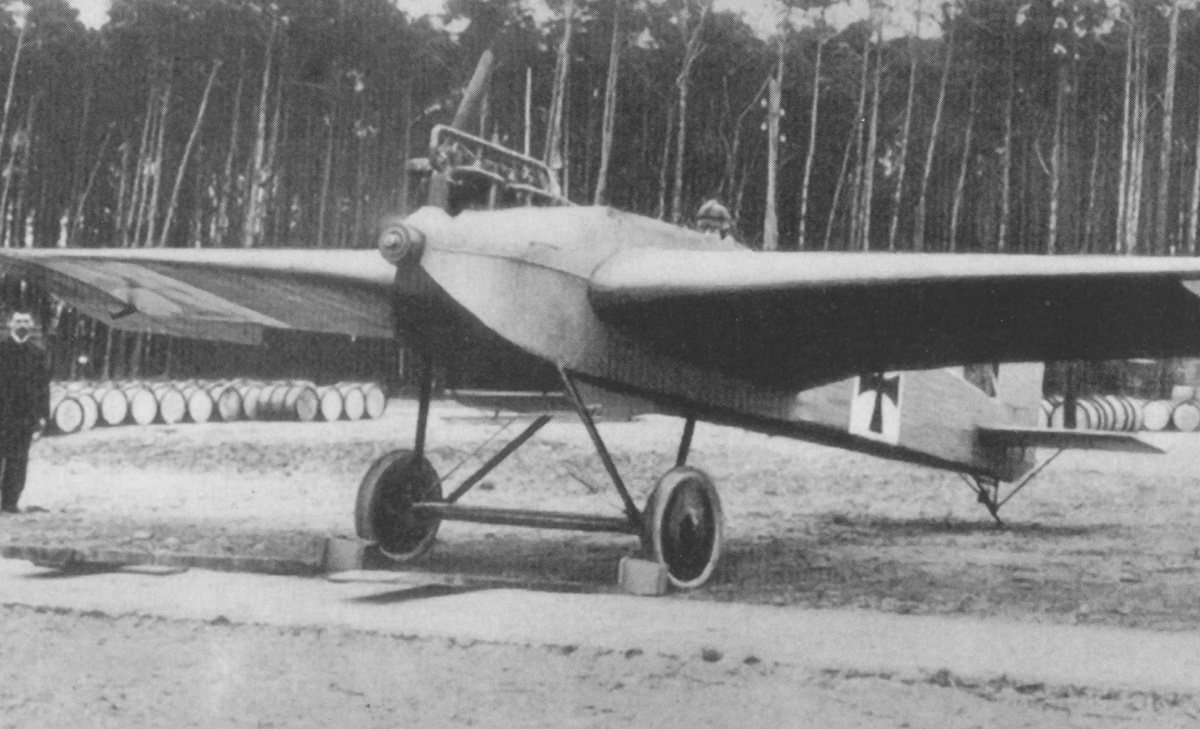
Junkers J1 (All-Metal)
The Junkers J1 used a full metal structure. That pointed the way to later all-metal airliners.
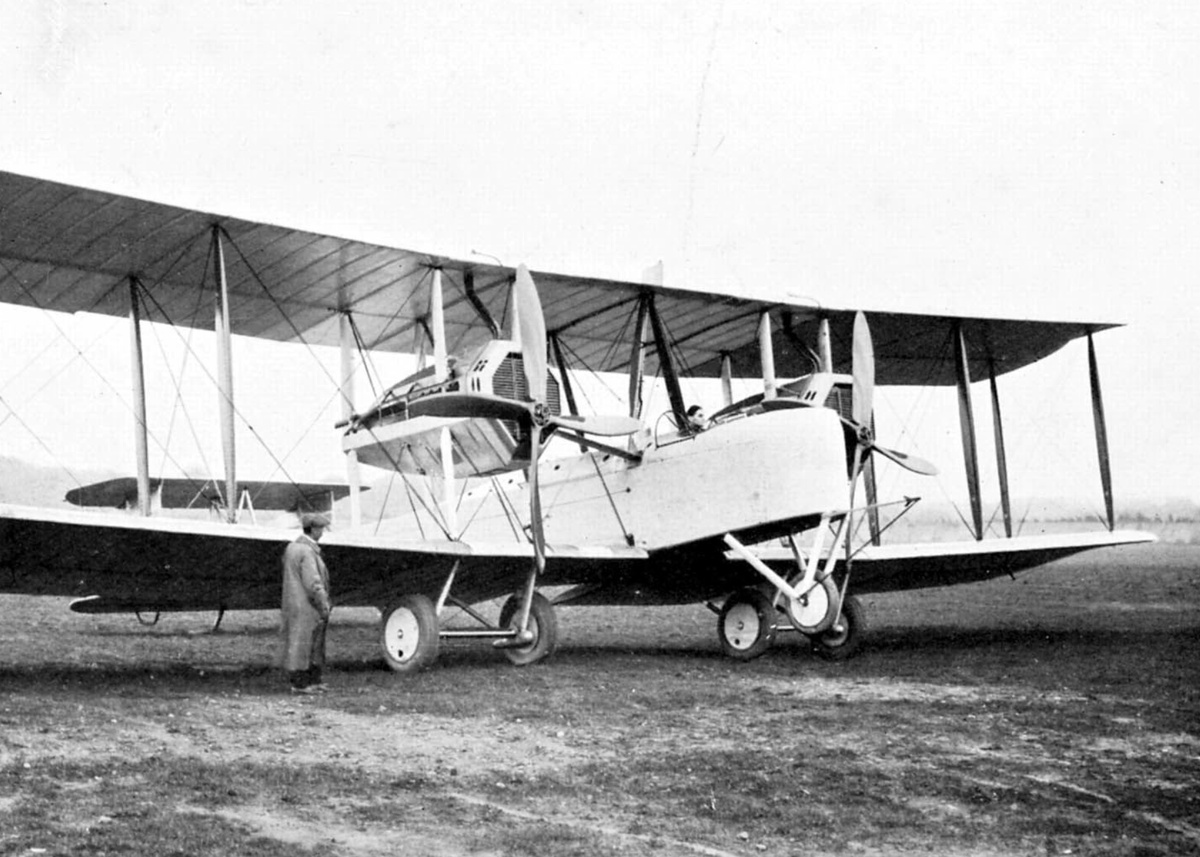
Alcock & Brown Cross the Atlantic
Alcock and Brown crossed the Atlantic non-stop. They proved long-distance flights were not just theory.
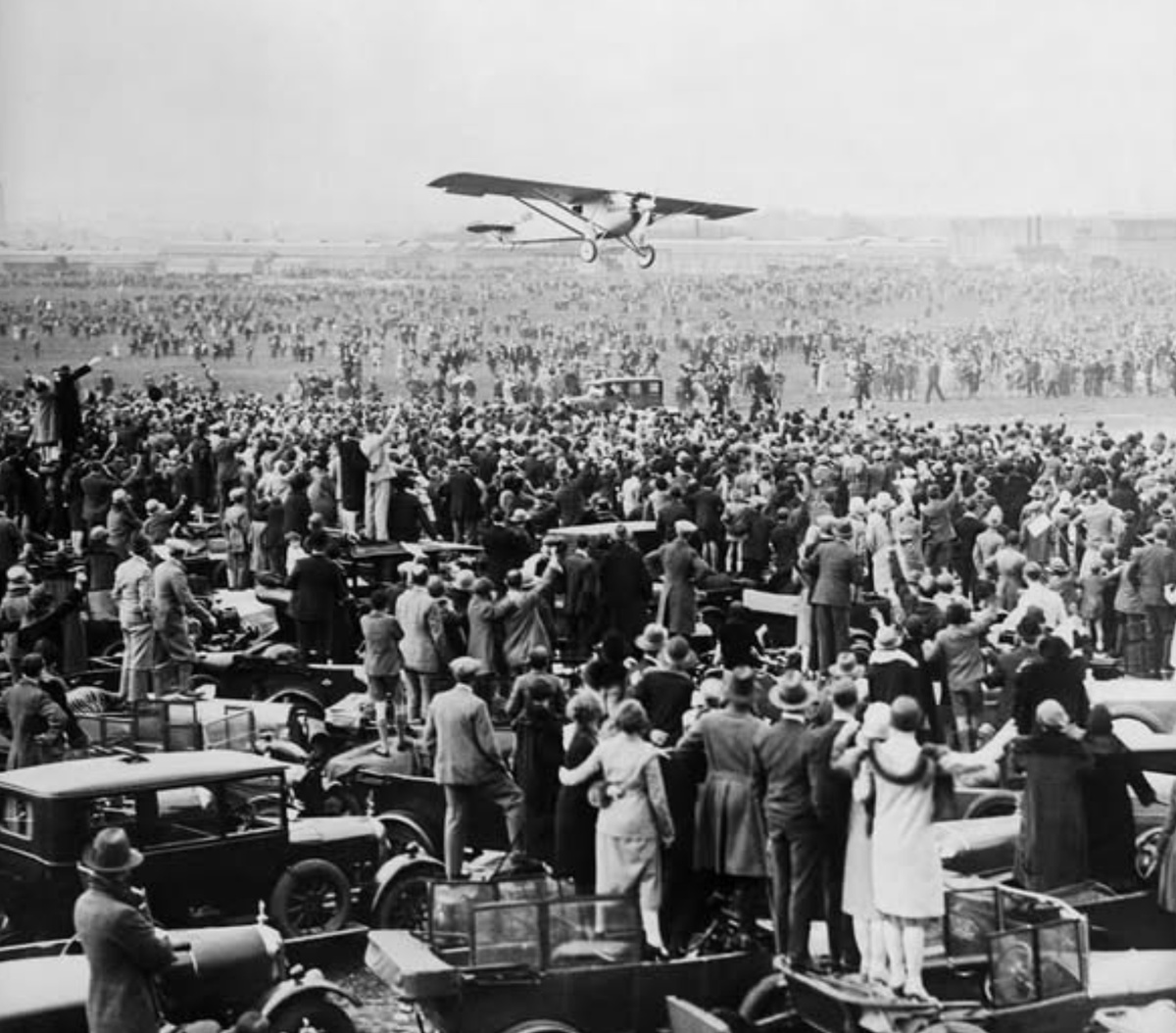
Lindbergh’s NY–Paris Solo
Lindbergh’s solo flight made people trust airplanes and navigation much more. It turned aviation into a popular dream.
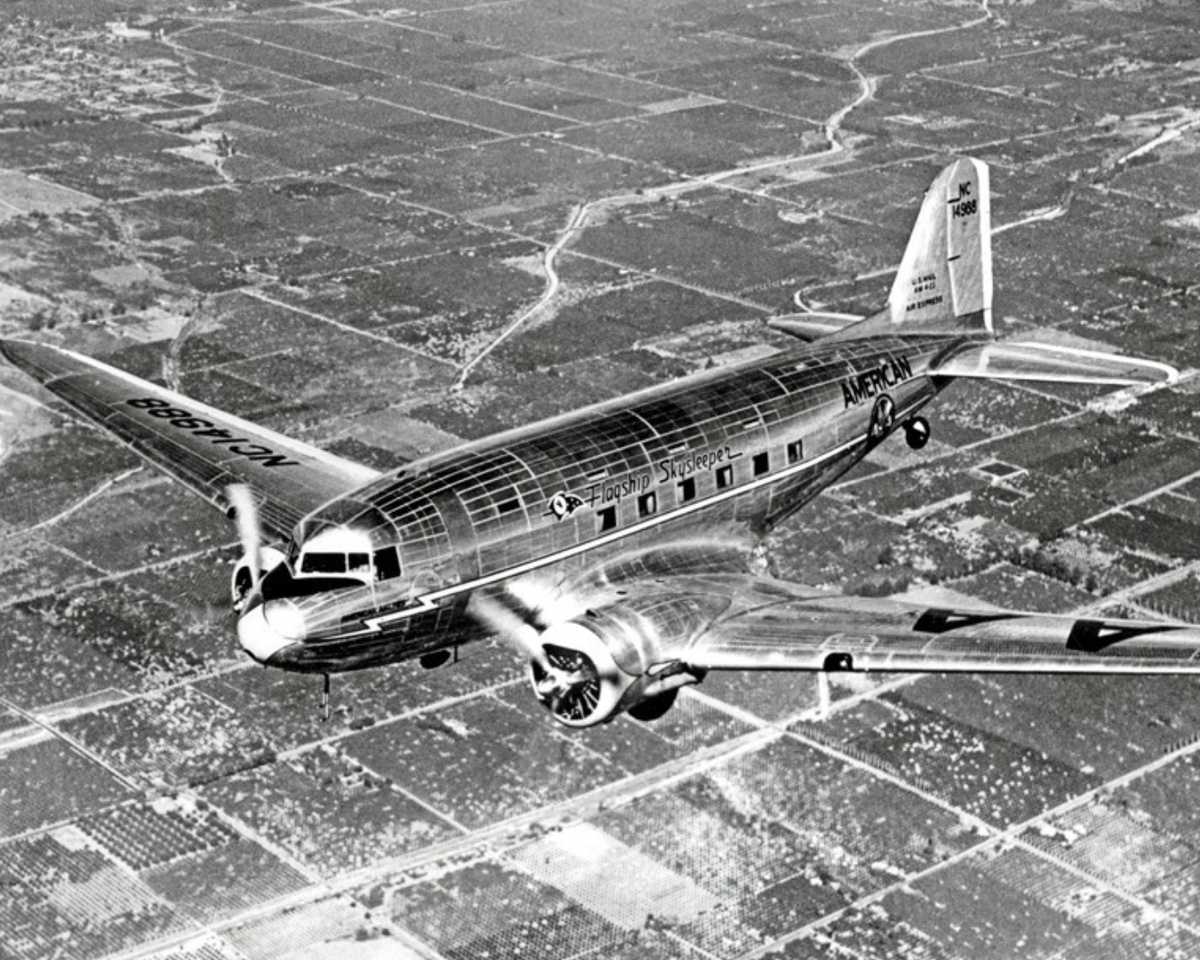
Douglas DC-3
The DC-3 was cheap to run and very reliable. It showed how airlines could actually make money.
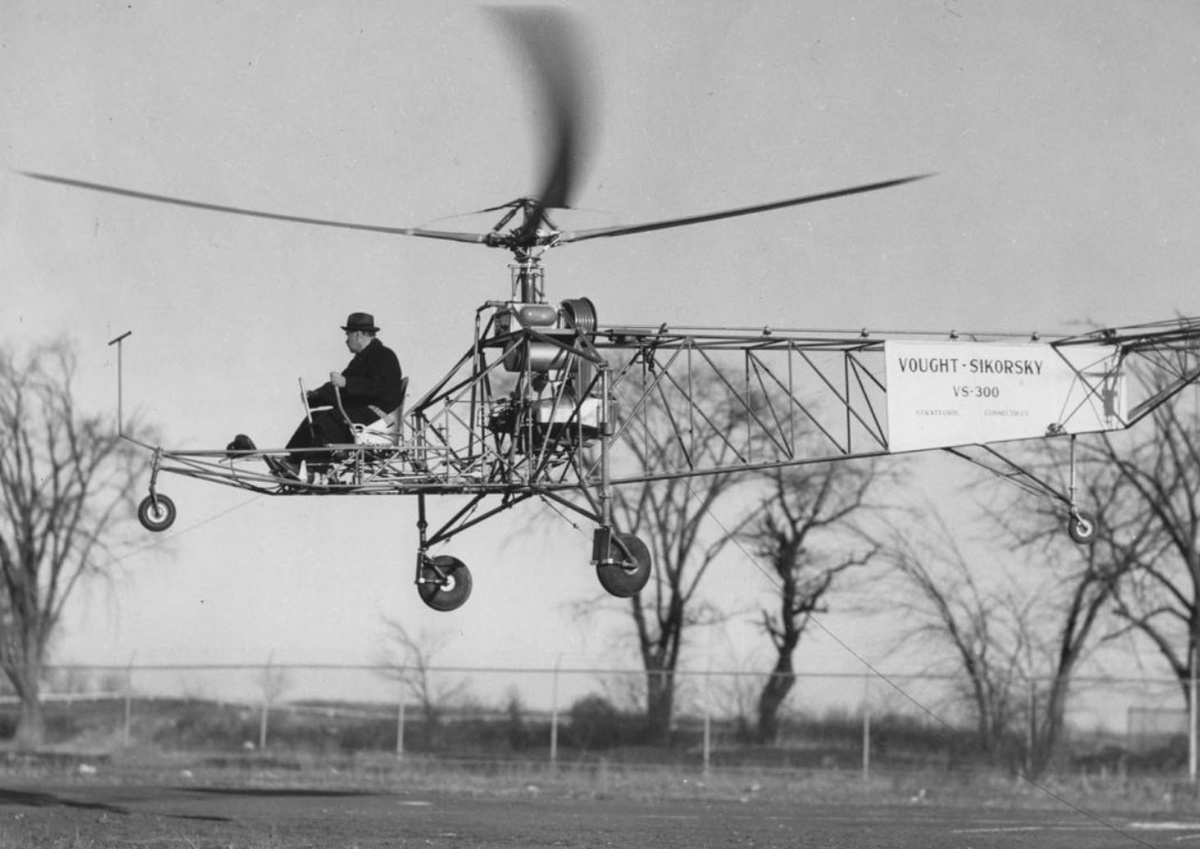
First Practical Helicopters
The Fw 61 and Sikorsky’s early helicopters showed that vertical takeoff and landing could work in daily use.
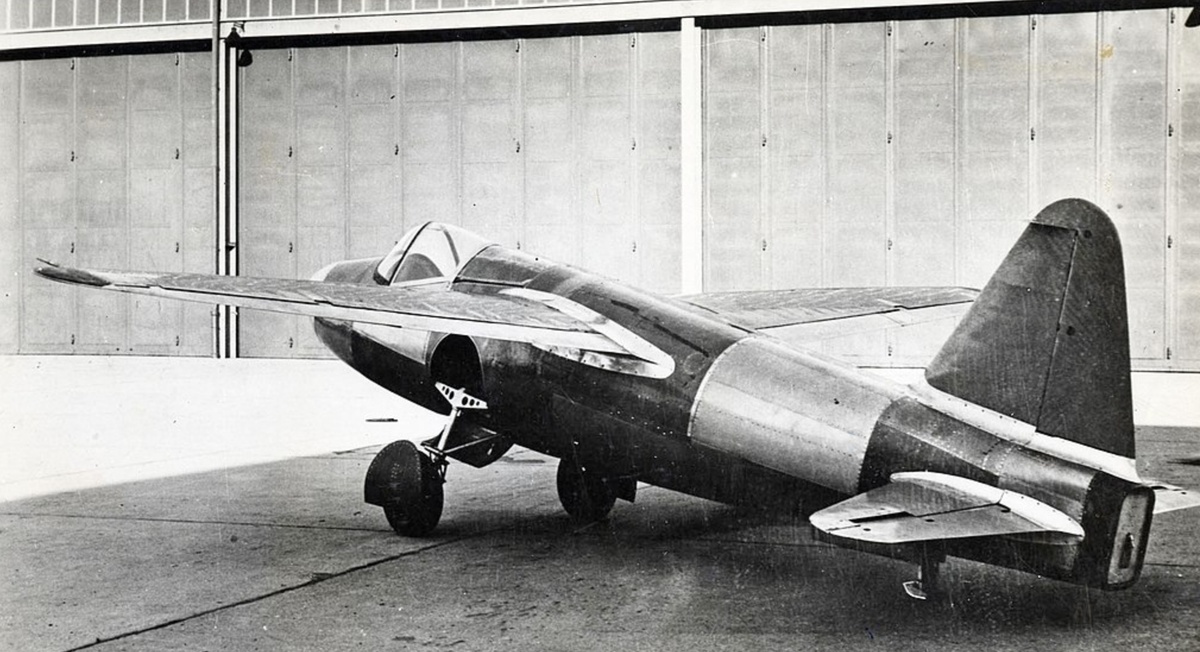
Heinkel He 178 (Jet)
The He 178 was the first jet to fly. It opened the door to much higher speeds.
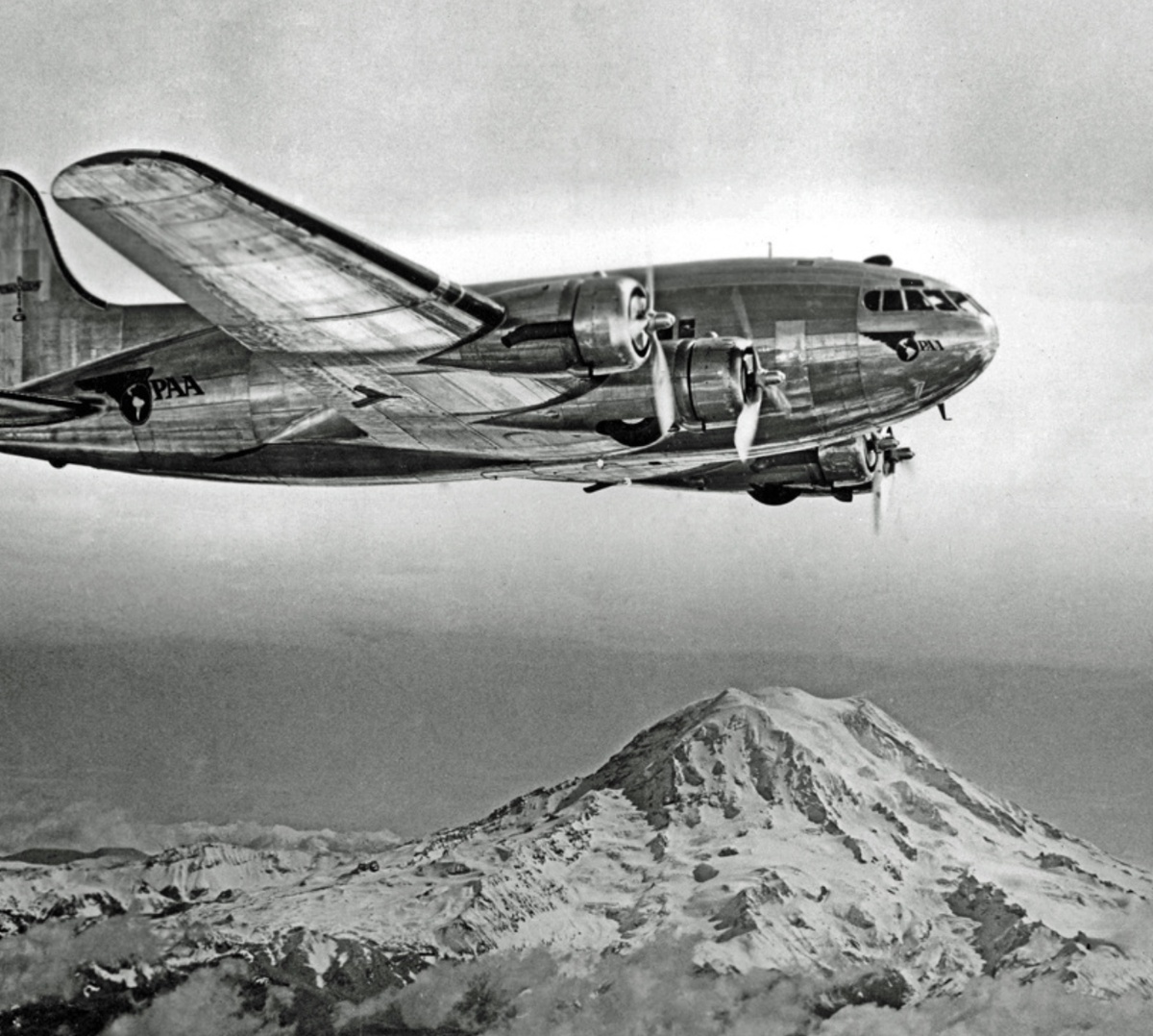
Boeing 307 Stratoliner
The Boeing 307 brought pressurized cabins to airlines. High-altitude flying above most weather became normal.
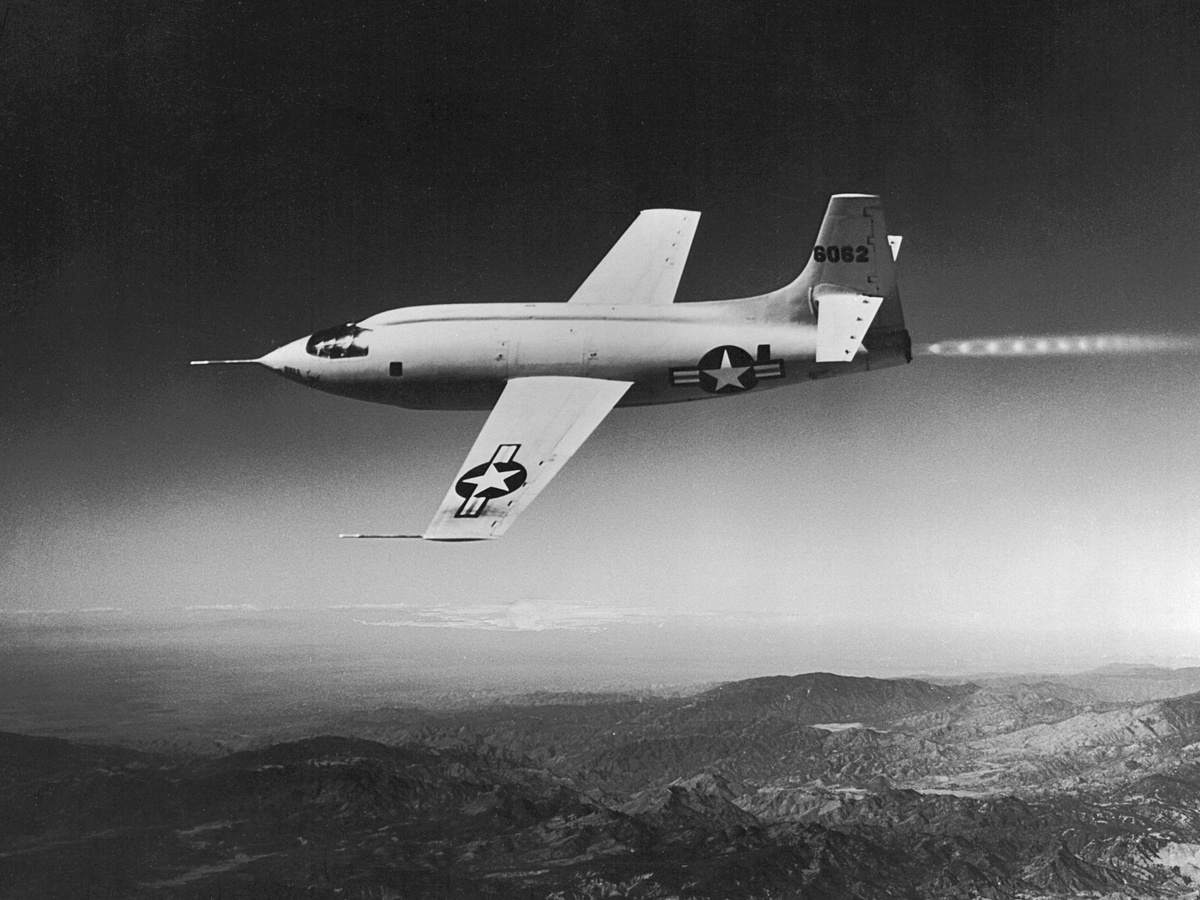
Bell X-1 Breaks Mach 1
The Bell X-1 broke Mach 1 in controlled level flight. Supersonic flight changed from a myth into a real test regime.
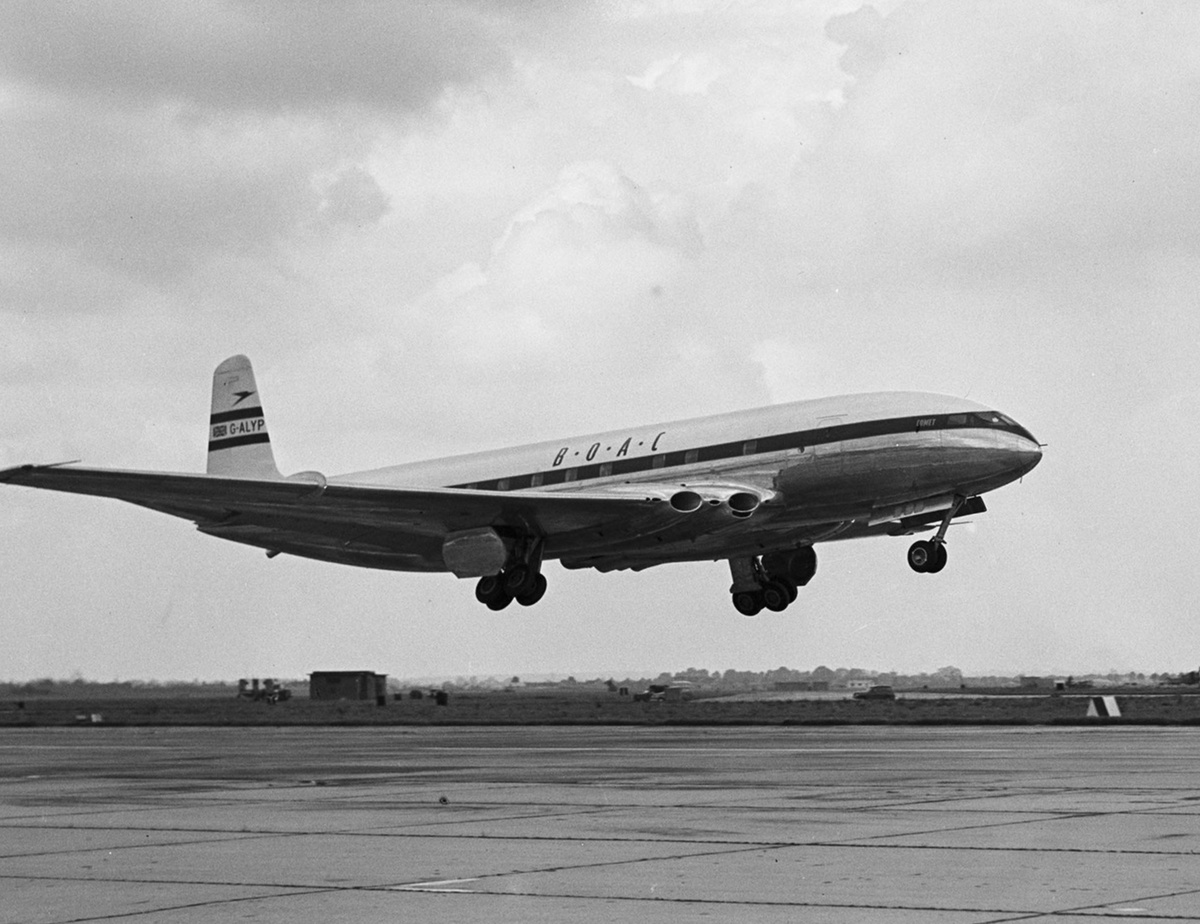
de Havilland Comet
The Comet was the first jet airliner to go into service. Its metal fatigue problems forced big changes in design rules.
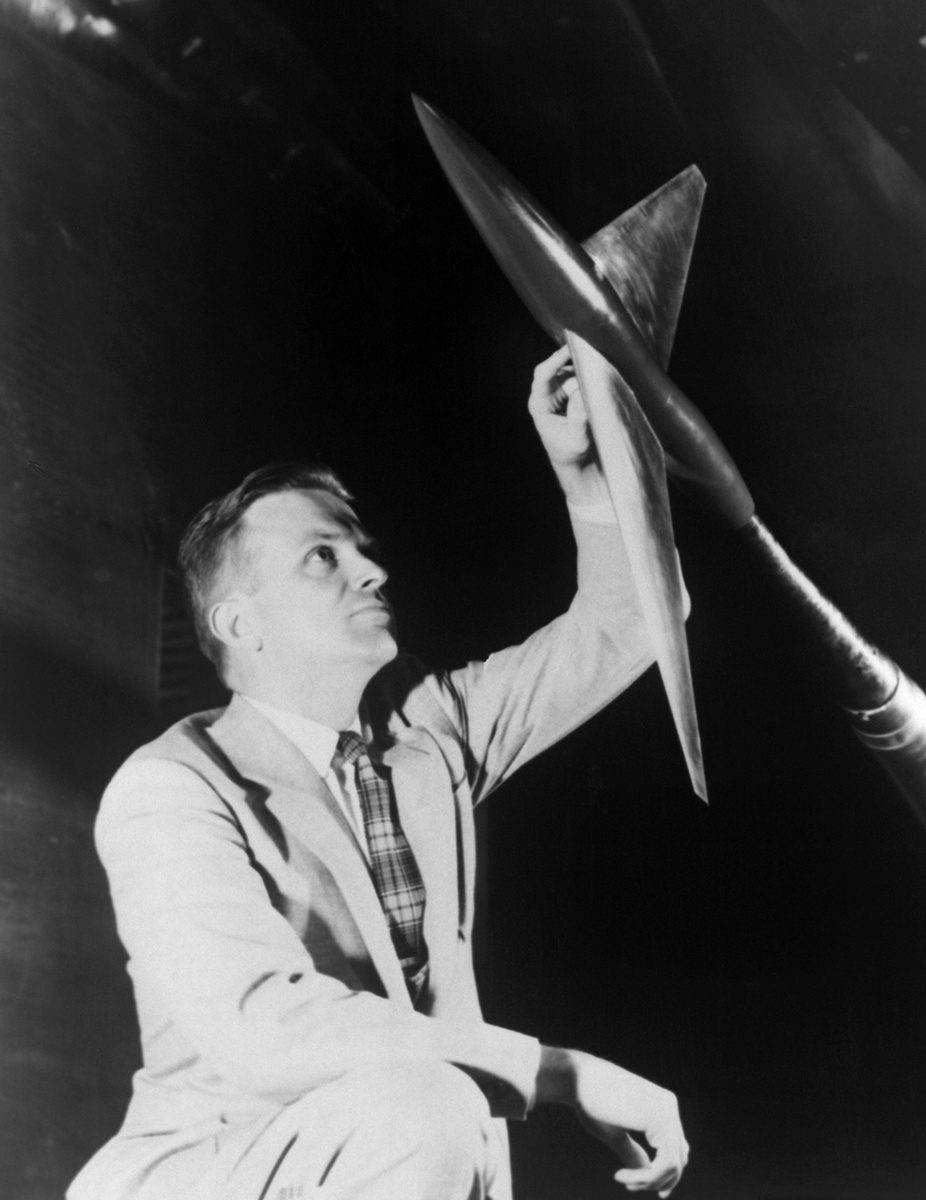
Whitcomb Area Rule
Whitcomb’s area rule cut drag around the speed of sound. It shaped how modern fast jets look.
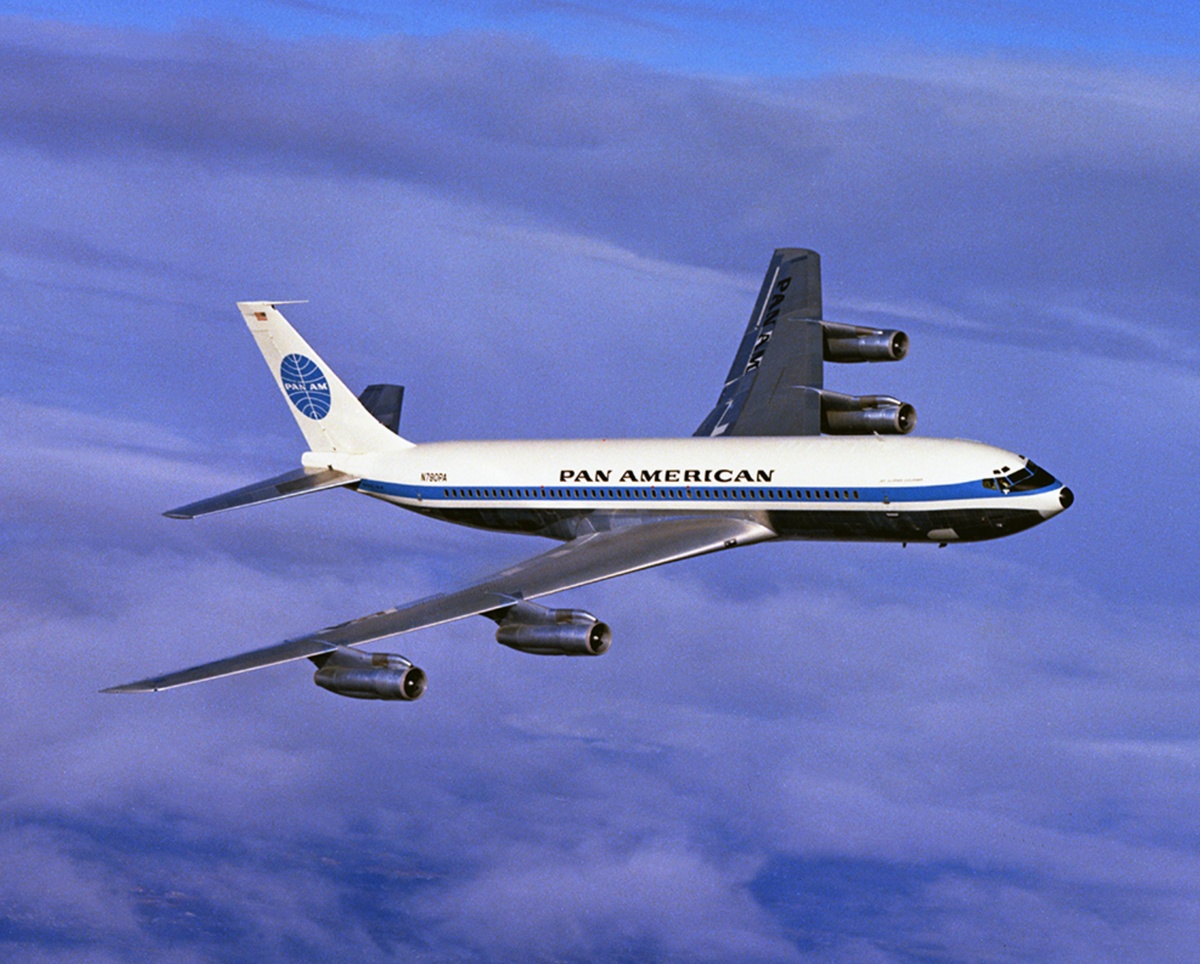
Boeing 707 Era
The Boeing 707 made long-distance jet travel common. Flying far and fast became part of normal life.
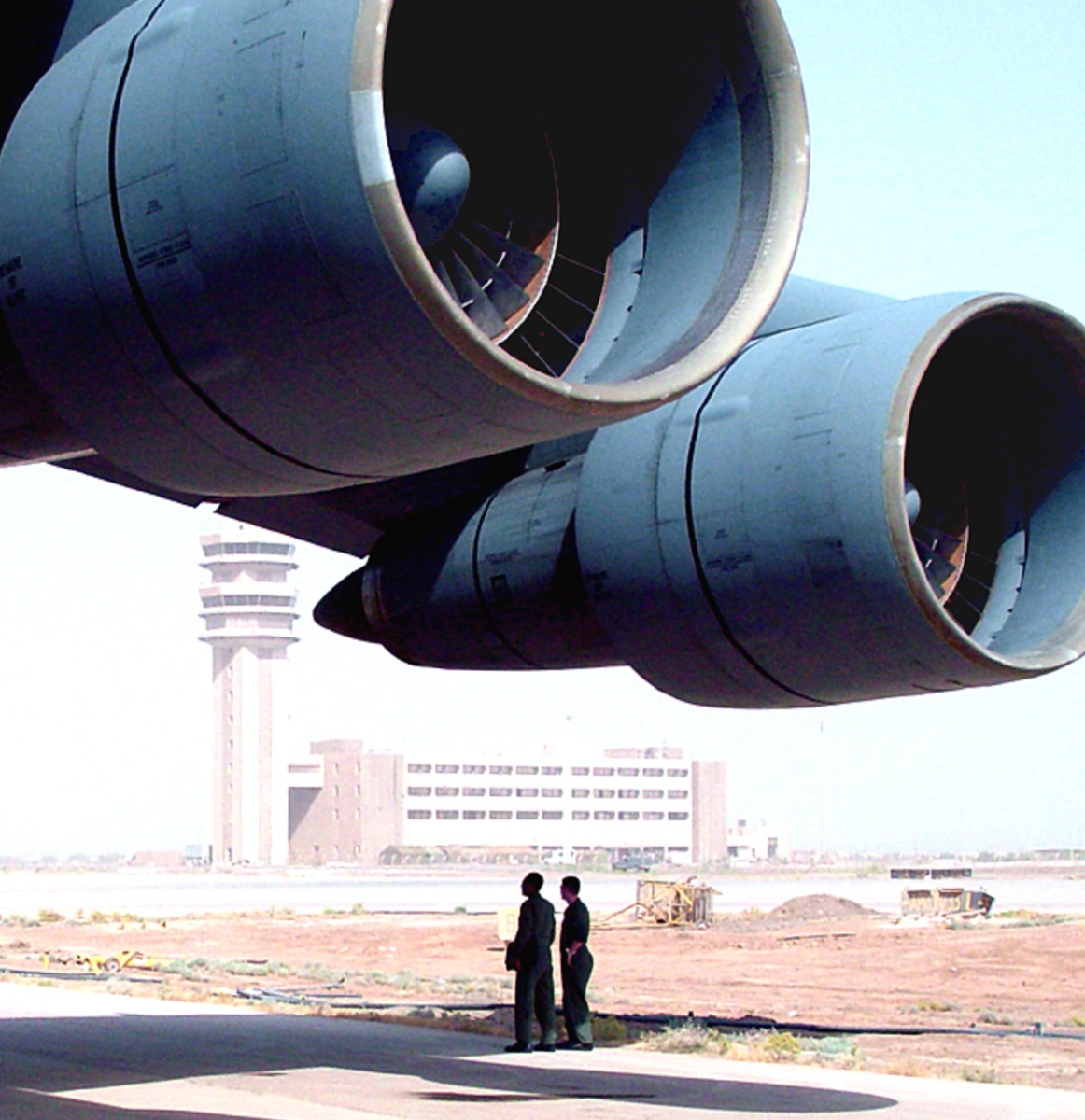
High-Bypass Turbofans
High-bypass turbofans burned less fuel and were quieter. They made modern long-haul routes much more efficient.
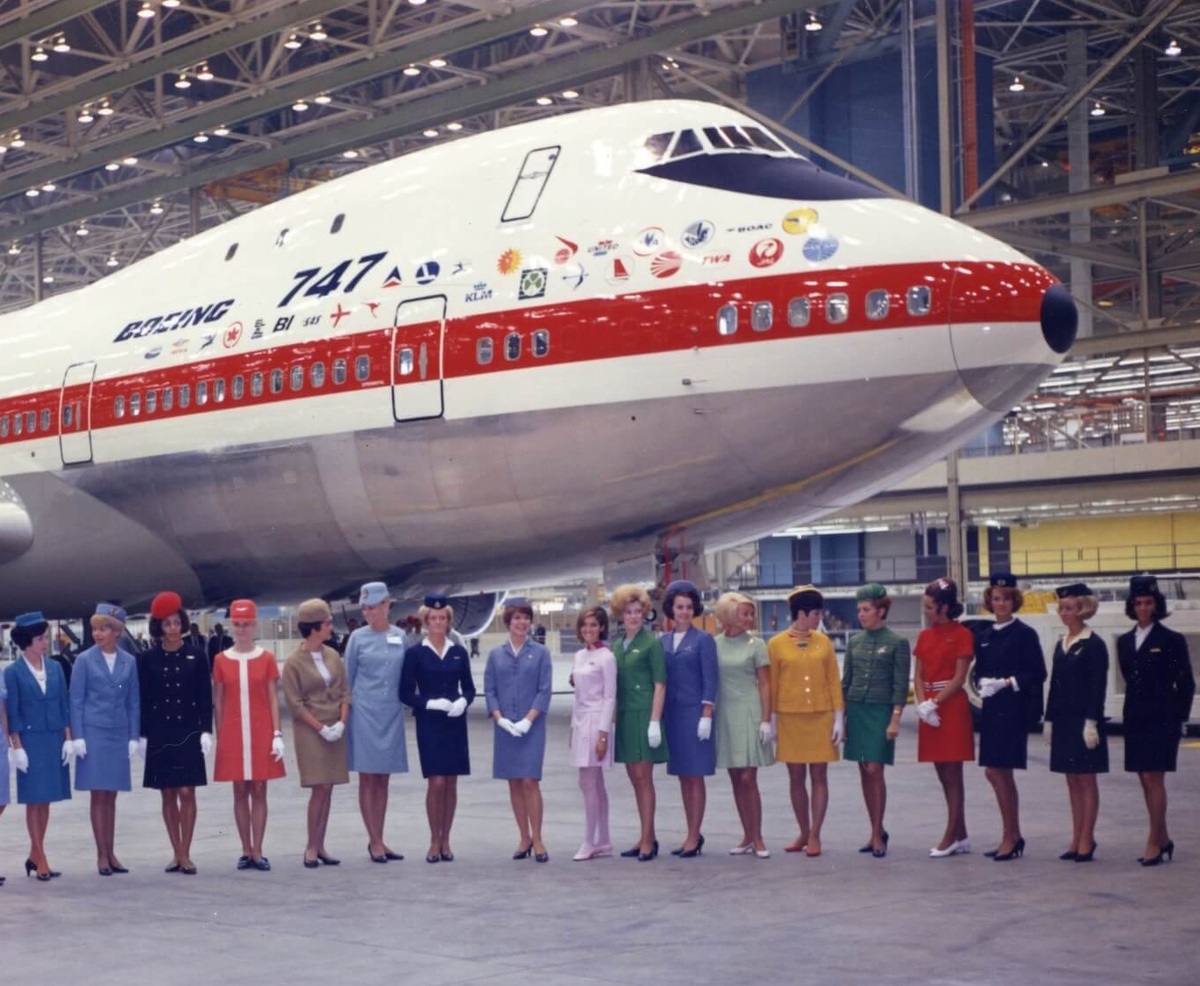
Boeing 747 and the Widebody Era
The 747 brought the wide-body age. It let huge numbers of people cross oceans on one flight.
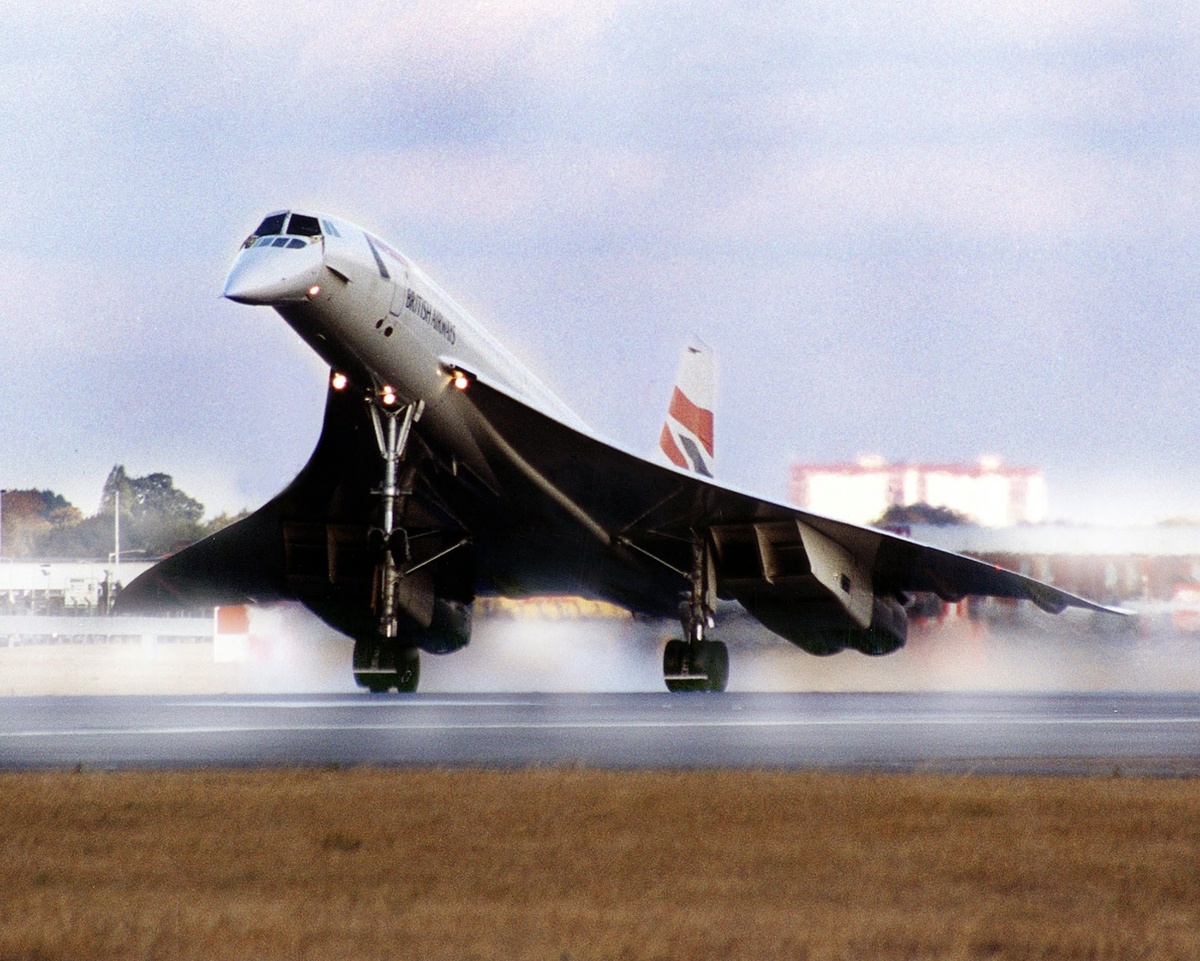
Concorde in Service
Concorde proved that supersonic passenger service is possible. It also showed how hard the cost and noise problems are.
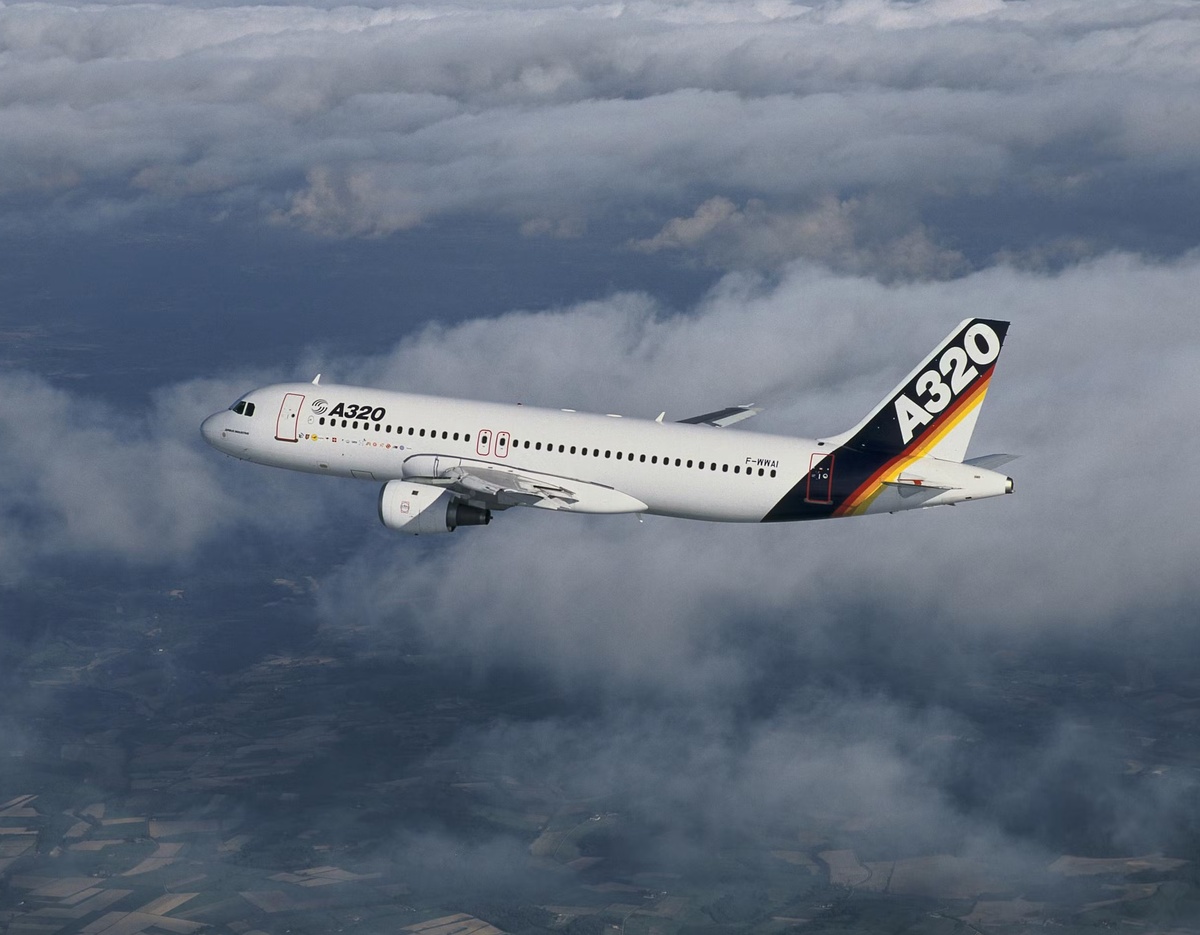
Deregulation & Digital Fly-by-Wire
Deregulation shook up the US airline market. At the same time the A320 made digital fly-by-wire a standard tool.
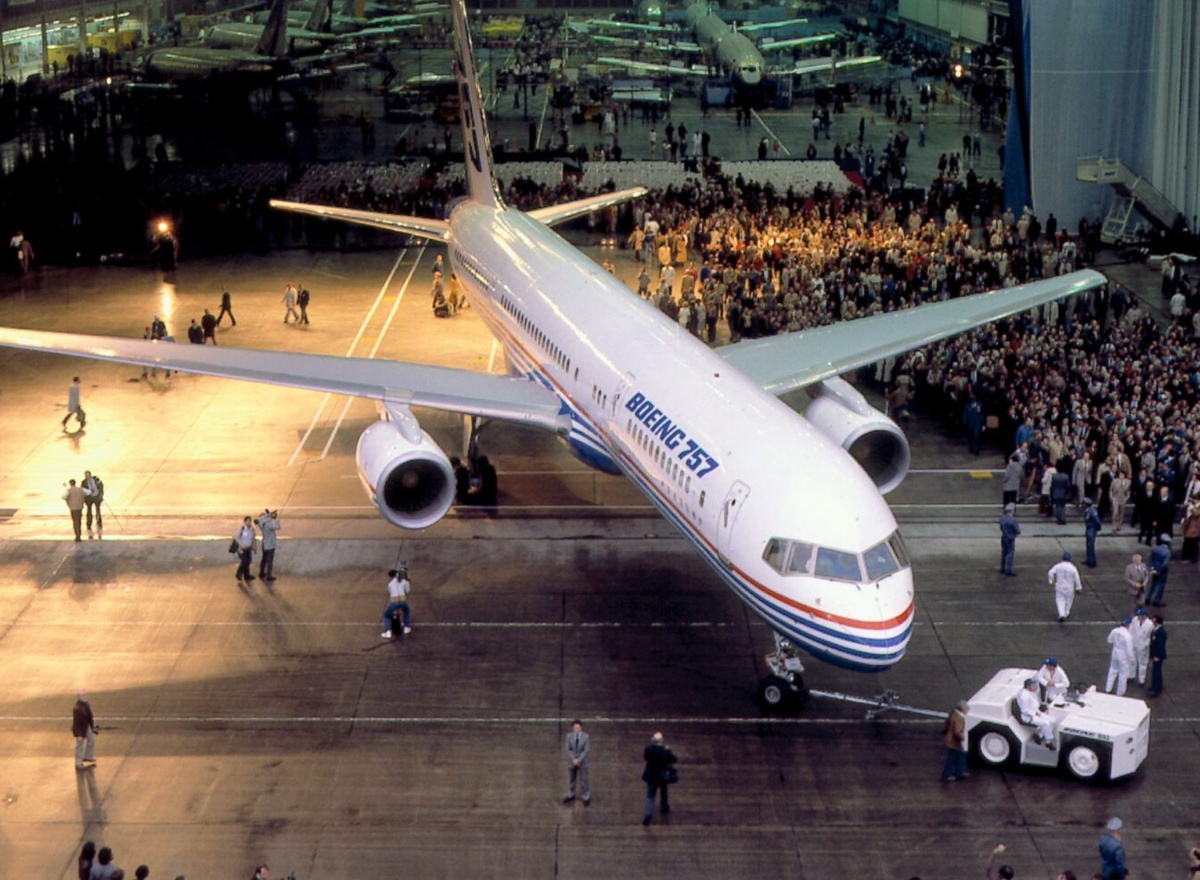
Boeing 757 and Efficient Twinjets
The 757 showed how powerful, efficient twinjets could handle many routes. High-bypass engines became the new normal.
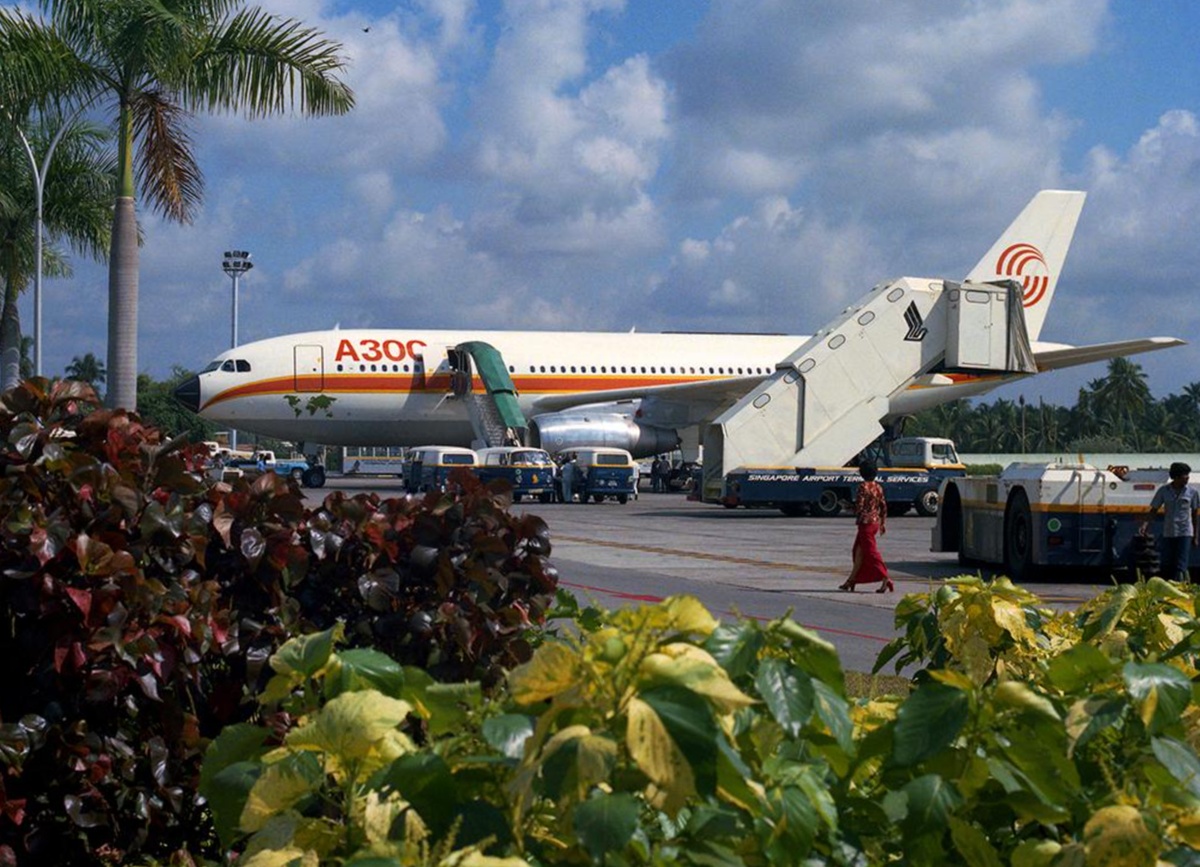
ETOPS and Long-Range Twins
ETOPS rules made long over-water flights with two engines acceptable. Airlines could redesign fleets and routes around twins.
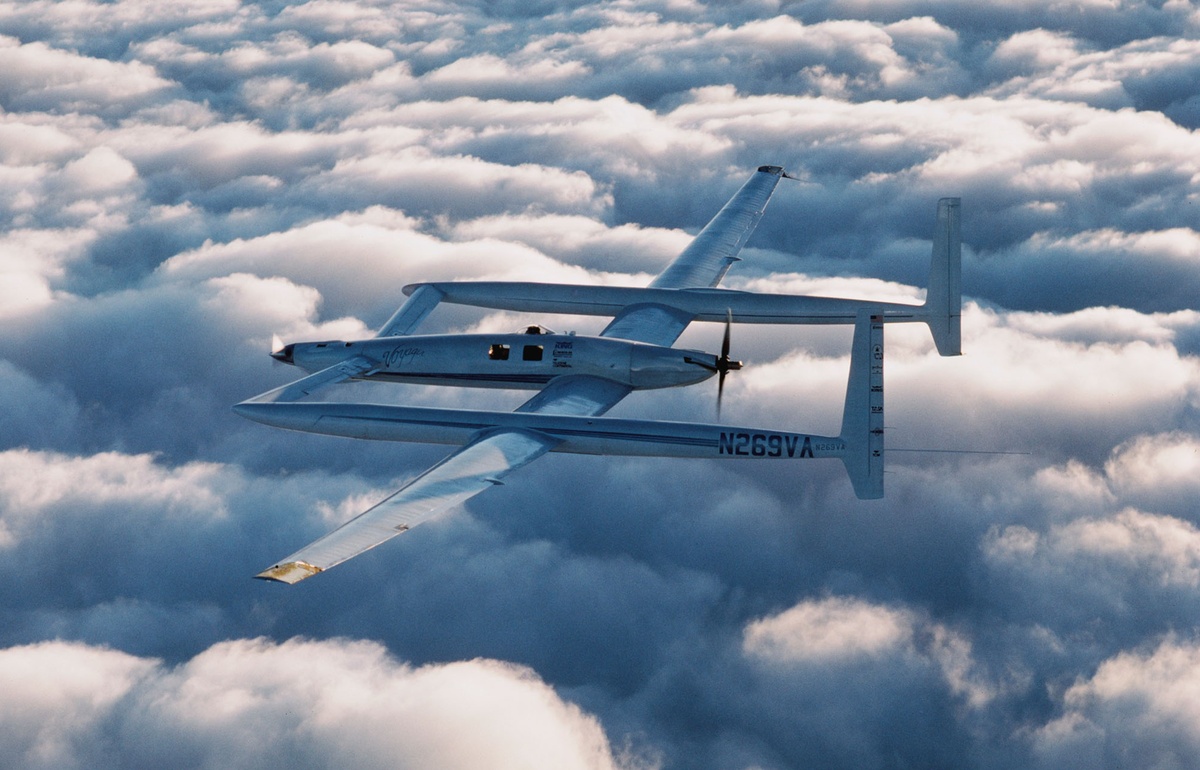
Rutan Voyager
Rutan Voyager circled the world without refueling. It proved what careful design and light materials can do.
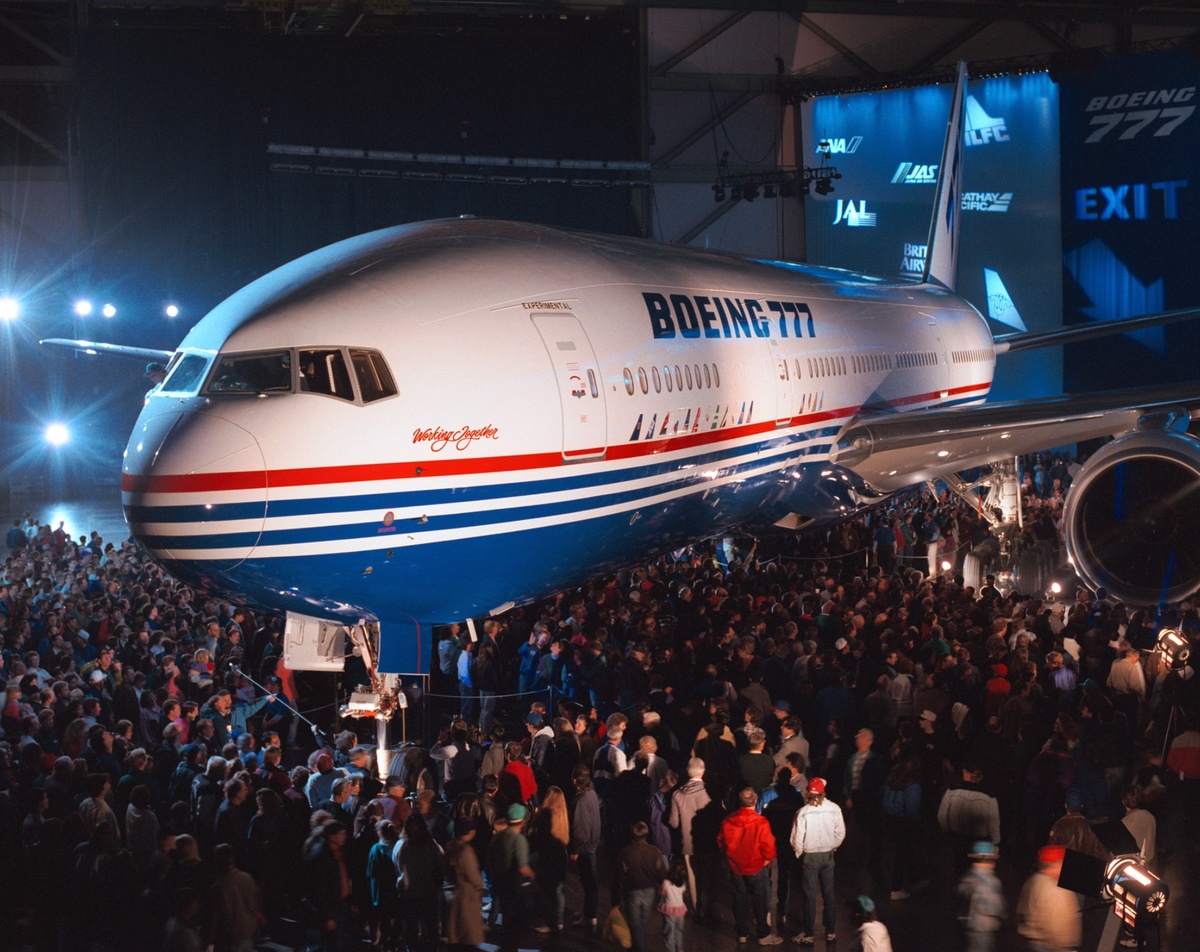
Boeing 777
The Boeing 777 mixed long range with modern fly-by-wire and good cockpit design. It became the model for later big twins.
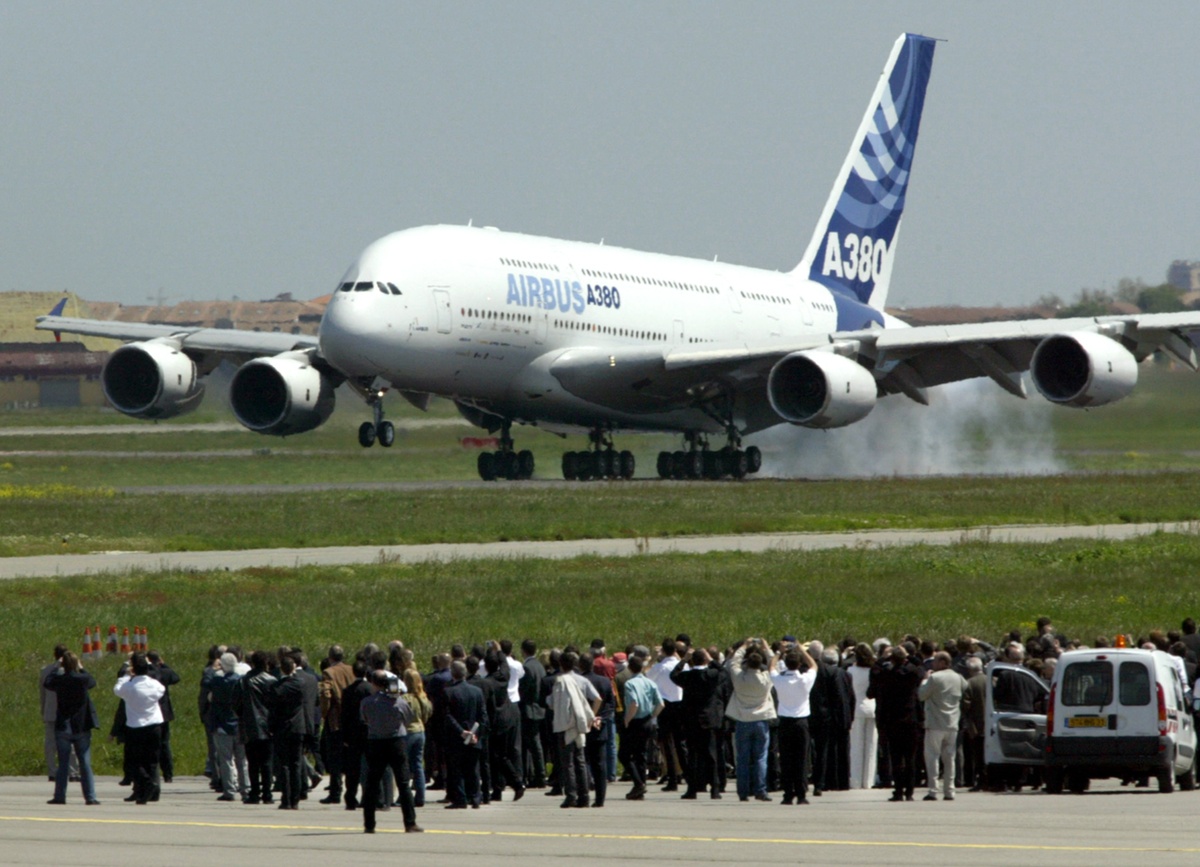
Airbus A380 Enters Service
The A380 pushed size, systems and structures to a new level. It tested how far a very large airliner could go.
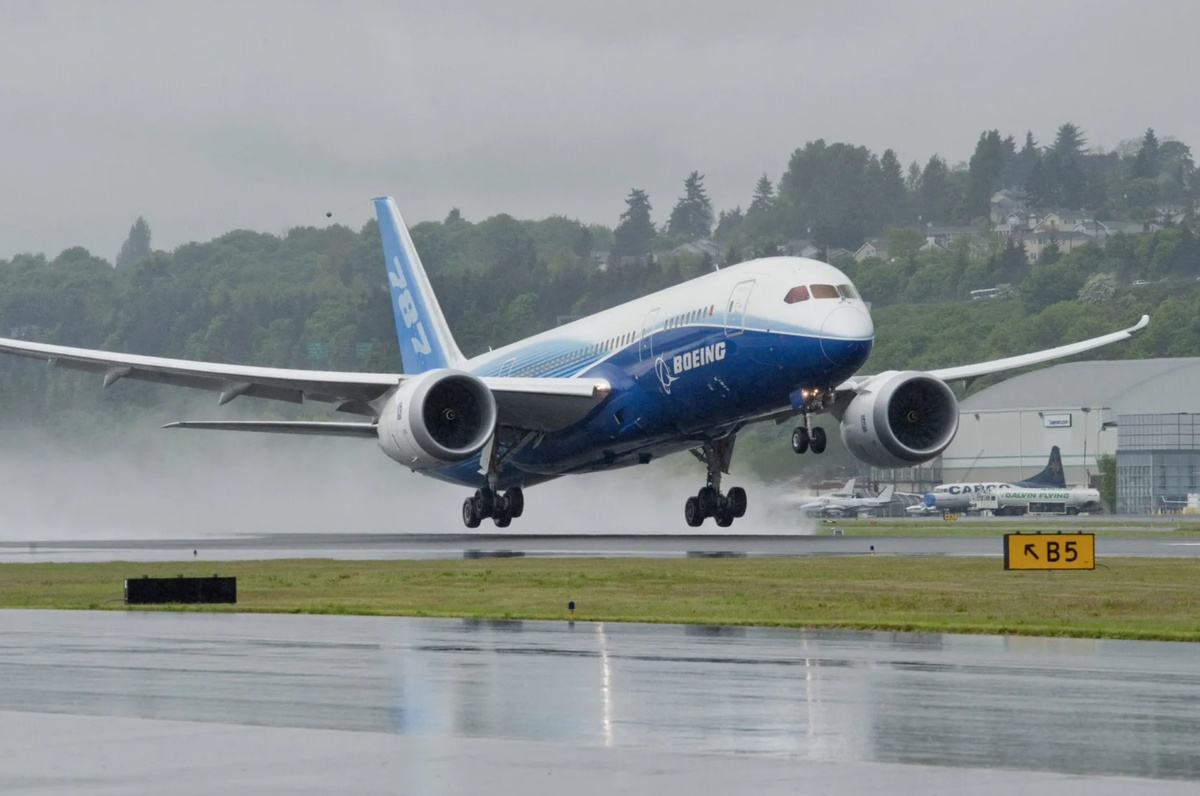
Boeing 787 Enters Service
The 787 used composite structures and more-electric systems on a large scale. Airlines got a clear jump in efficiency.
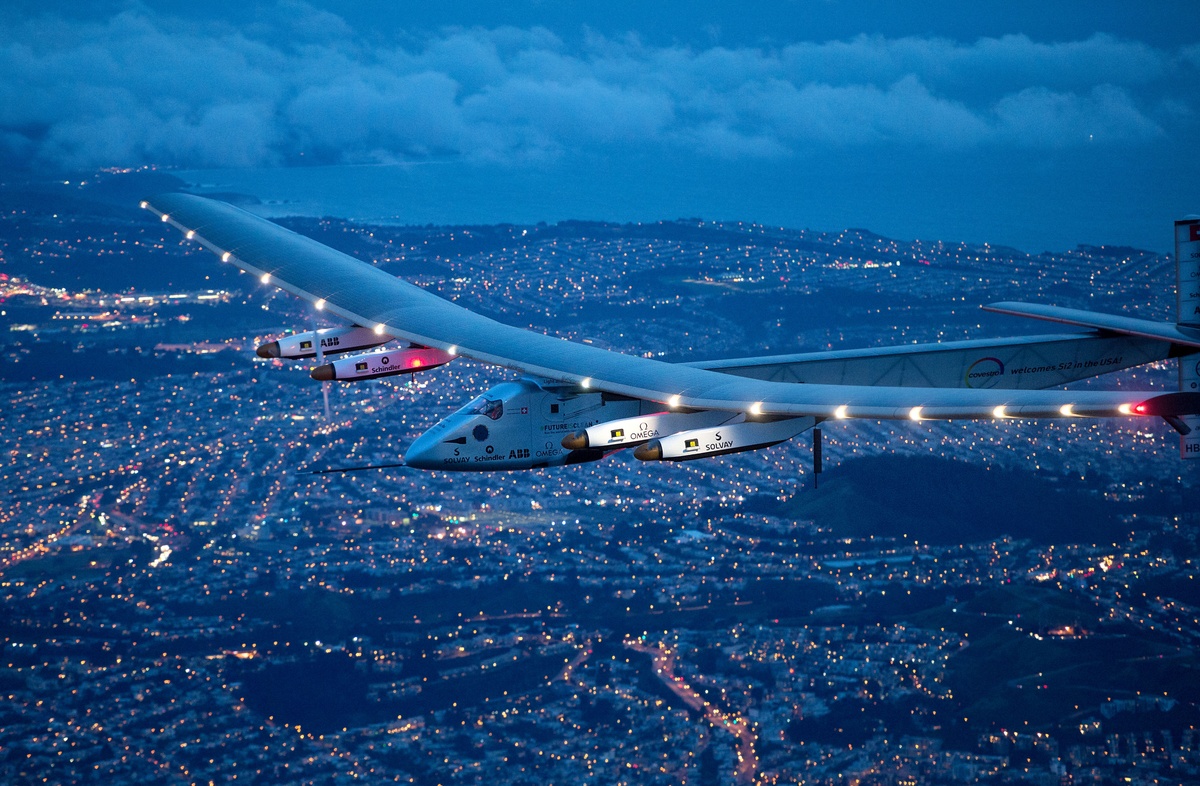
Solar Impulse 2
Solar Impulse 2 flew long legs with only sunlight. It showed that zero-fuel flight is hard but not impossible.
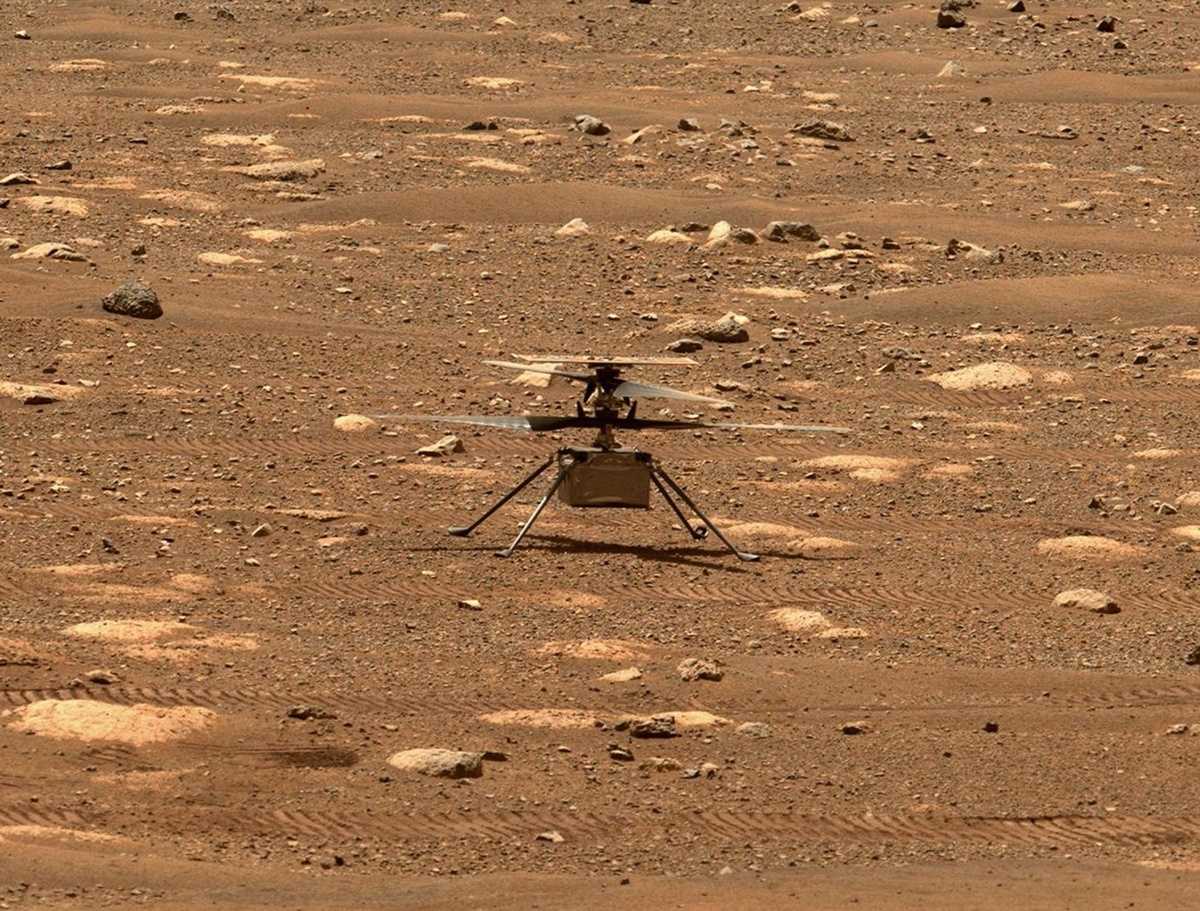
NASA Ingenuity on Mars
Ingenuity flew on Mars under a very thin atmosphere. It proved powered, controlled flight can work on another world.
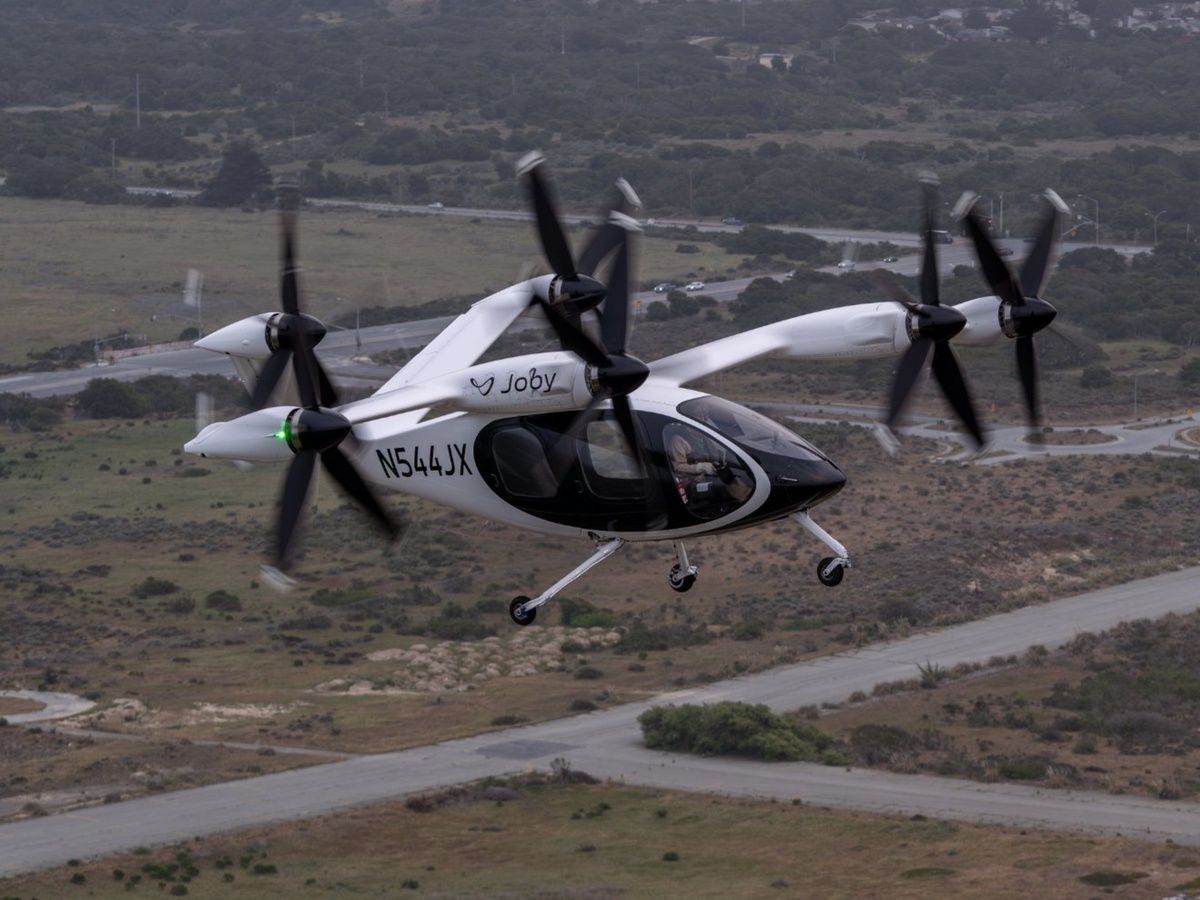
eVTOL & Hybrid-Electric
eVTOL and hybrid-electric projects test new ways to move people in cities and on short routes. They also test new certification ideas.